Saturday, August 17, 2024

What Credit Score Do You Really Need To Buy a House?

When you're thinking about buying a home in Fort Worth, Keller, Haslet, or anywhere in the DFW Metroplex, your credit score is one of the most critical factors in the process. Think of your credit score as your financial report card—it’s what lenders look at to determine whether you qualify for a mortgage and which type of home loan will work best for you.

Why Your Credit Score Matters

As The Mortgage Report explains:

"Good credit scores communicate to lenders that you have a track record for properly managing your debts. For this reason, the higher your score, the better your chances of qualifying for a mortgage."

A good credit score opens doors to more favorable loan terms, lower interest rates, and greater home affordability. However, many potential buyers overestimate the credit score needed to buy a home. According to a report from Fannie Mae, only 32% of consumers accurately know what lenders require, meaning nearly two-thirds of people are in the dark.

What Credit Score Do You Need?

The credit score needed to buy a home can vary depending on the type of mortgage and the lender's requirements. Experian provides a general guideline:

“The minimum credit score needed to buy a house can range from 500 to 700, but will ultimately depend on the type of mortgage loan you're applying for and your lender. Most lenders require a minimum credit score of 620 to buy a house with a conventional mortgage.”

This range means that even if your credit isn't perfect, there are still mortgage options available to you. FICO adds:

“While many lenders use credit scores like FICO Scores to help them make lending decisions, each lender has its own strategy, including the level of risk it finds acceptable. There is no single ‘cutoff score’ used by all lenders, and there are many additional factors that lenders may use . . .”

So, even if your credit score falls on the lower end, don’t be discouraged. Different lenders have varying criteria, and you may still qualify for a mortgage with the right lender and loan program.

Steps to Improve Your Credit Score

If your credit score needs a little TLC before you start house hunting, there are some effective steps you can take to boost it. According to Experian, these include:

1. Pay Your Bills on Time

Consistent, on-time payments are crucial. Lenders want to see that you can reliably pay your bills, whether it’s credit cards, utilities, or even your cell phone bill. This demonstrates your responsibility as a borrower and can positively impact your credit score over time.

2. Pay Off Outstanding Debt

Reducing your overall debt load can lower your debt-to-income ratio and improve your credit utilization ratio (the amount of credit you’re using compared to your total credit limit). A lower ratio indicates to lenders that you’re a less risky borrower, which can boost your credit score.

3. Avoid Applying for Too Much Credit

While you might be tempted to open new credit accounts to build your credit, it’s wise to hold off. Each new credit application can result in a hard inquiry on your credit report, which can temporarily lower your score. Instead, focus on managing your existing credit responsibly.

The Bottom Line

Your credit score is a crucial factor when buying a home, especially in competitive markets like Fort Worth, Keller, and Haslet. But remember, even if your score isn’t perfect, there are still pathways to homeownership.

The best way to navigate your credit score and its impact on your home loan is to work with a trusted lender. They can provide personalized advice based on your financial situation and guide you toward the best mortgage options available. Whether you're a first-time buyer or looking to upgrade, understanding your credit score's role in the home buying process is key to making informed decisions.

Ready to explore your home buying options? Let’s connect and discuss how you can achieve your real estate goals in the DFW Metroplex, no matter where your credit score stands. Crystal Zschirnt Southlake Westlake Keller Fort Worth Haslet Trophy Club Roanoke Real Estate New Home Selling House Best Agent


Wednesday, August 14, 2024

The Great Wealth Transfer: How It’s Impacting the Housing Market and Economy


In recent years, there has been a significant shift in how wealth is distributed across generations—a phenomenon known as the Great Wealth Transfer. This massive transfer of assets is expected to reshape many aspects of life, particularly in the housing market and the broader economy.

What Is the Great Wealth Transfer?

Historically, wealth transfer from one generation to the next was a gradual process, often limited to smaller inheritances or family savings. However, we’re now witnessing a dramatic increase in the scale of this transfer. According to a recent article from Bankrate:

“The biggest wave of wealth in history is about to pass from Baby Boomers over the next 20 years, and it’s going to have major impacts on many facets of life. Called The Great Wealth Transfer, $84 trillion is poised to move from older Americans to Gen X and millennials. If it’s managed smartly, Americans will be able to grow their wealth and ensure their financial security.”

As Baby Boomers retire, sell businesses, or downsize their homes, substantial assets are being passed down to younger generations, particularly Gen X and millennials. This transfer is expected to have a powerful ripple effect on the economy over the next few decades.

Impact on the Housing Market

One of the most immediate and significant impacts of the Great Wealth Transfer is on the housing market. For years, home affordability has been a major concern, especially in high-demand areas like Fort Worth, Keller, and Haslet. However, the increase in generational wealth is expected to ease some of these challenges by providing future homeowners with greater financial resources.

As assets are passed down, younger buyers may find themselves in a stronger position to afford homes. This could lead to more first-time homebuyers entering the market, as well as existing homeowners trading up or purchasing additional properties. A recent article from Merrill highlights this potential benefit:

“While millennials face steep barriers . . . to buying a first home in many markets, ‘that’s a for-now story, not a forever story’ . . . The Great Wealth Transfer should enable more of them to become homeowners — or trade up or add a second home — either through inherited property or the funds for a down payment.”

This trend could be especially impactful in the Dallas-Fort Worth Metroplex, where property values have been on the rise and competition for homes remains fierce. The influx of inherited wealth may help balance the market by increasing purchasing power among younger generations, making homeownership more attainable.

Impact on the Economy

The Great Wealth Transfer is not just about housing—it also has far-reaching implications for the broader economy. As significant sums of money are passed down, there will be new opportunities for entrepreneurial endeavors. For those looking to start a business, inherited funds can provide the necessary capital to launch new ventures, fueling innovation and economic growth.

This transfer of wealth is expected to empower the next generation of business owners and innovators, helping them bring their ideas to life and contribute to economic expansion. In areas like the DFW Metroplex, which is already a hub for business and innovation, this could lead to a surge in new startups and economic activity.

Bottom Line

While home affordability remains a challenge in today’s market, the ongoing Great Wealth Transfer is poised to unlock new opportunities for homeownership and economic growth. As wealth is passed down and put to use, it’s expected to ease some of the barriers to entering the housing market and support the next generation of entrepreneurs.

If you’re considering buying a home or investing in real estate in Fort Worth, Keller, Haslet, or the surrounding DFW Metroplex, now is an excellent time to explore your options. Let’s connect and discuss how you can take advantage of the current market dynamics and make your real estate goals a reality.


Ready to explore the opportunities in the DFW real estate market? Contact us today to start your journey toward homeownership or investment in one of the fastest-growing regions in the country.

Crystal Zschirnt Southlake Westlake Keller Fort Worth Haslet Trophy Club Roanoke Real Estate New Home Selling House Best Agent

Tuesday, August 13, 2024

The Bright Spot in Today’s Housing Market: Growing Inventory Offers More Options for Homebuyers


One of the biggest bright spots in today’s housing market is the significant growth in the supply of homes for sale since the beginning of the year. If you've been contemplating buying a home in the Dallas-Fort Worth metroplex, including areas like Fort Worth, Keller, Haslet, and Southlake, this shift in inventory is great news for you.

Inventory Growth: A National Perspective

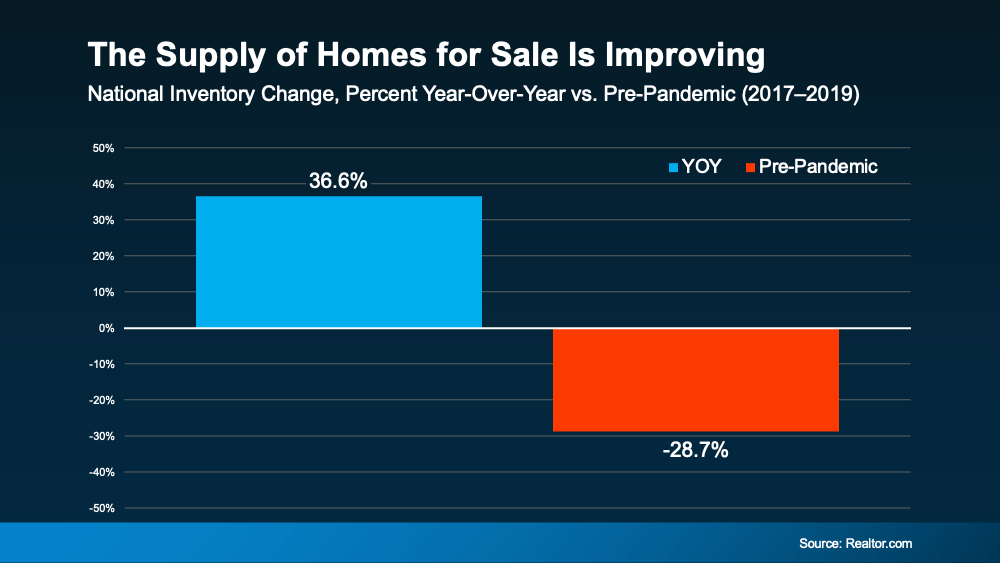
Recent data from Realtor.com reveals that nationally, there are 36.6% more homes actively for sale now compared to the same time last year. This substantial increase in inventory gives you far more options for your move than you would have had just a year ago. With more homes on the market, you’re also regaining some negotiation power, making it a better time to consider purchasing a home.

Why Inventory Growth Matters

As Lawrence Yun, Chief Economist at the National Association of Realtors (NAR), explains:

“Increased housing supply spells good news for consumers who want to see more properties before making purchasing decisions.”

This means that if you were discouraged by the limited inventory over the past few years, you now have a better chance of finding a home that meets your needs and fits your budget.

A Balanced Perspective on Inventory Levels

While the growth in inventory is promising, it’s essential to keep things in perspective. Even though the number of homes for sale has increased, we haven’t suddenly flipped to an oversupply of homes on the market. In fact, when we compare today’s inventory levels to pre-pandemic numbers (2017–2019), there are still roughly 29% fewer homes actively for sale.

Bill McBride, Housing Analyst for Calculated Risk, provides further insight:

“. . . currently inventory is increasing year-over-year but is still well below pre-pandemic levels.”

This means that while the inventory is improving, it’s still not at the levels we would see in a normal market. However, this gradual increase is a step in the right direction, giving buyers more options while maintaining stable home prices. If you compare today’s inventory levels to more normal, pre-pandemic numbers (2017–2019), there are still roughly 29% fewer homes actively for sale now (see graph below):

What This Means for Buyers in the DFW Metroplex

Real estate is hyper-local, meaning the conditions can vary significantly depending on where you are. In some parts of the DFW metroplex, inventory levels may be closer to pre-pandemic norms, providing even more opportunities for homebuyers.

For instance, areas like Fort Worth and Keller are seeing a steady increase in available homes, which could offer you a wider selection of properties. This is especially beneficial in a market where desirable homes often attract multiple offers, as it gives you a better chance to secure a home that meets your criteria.

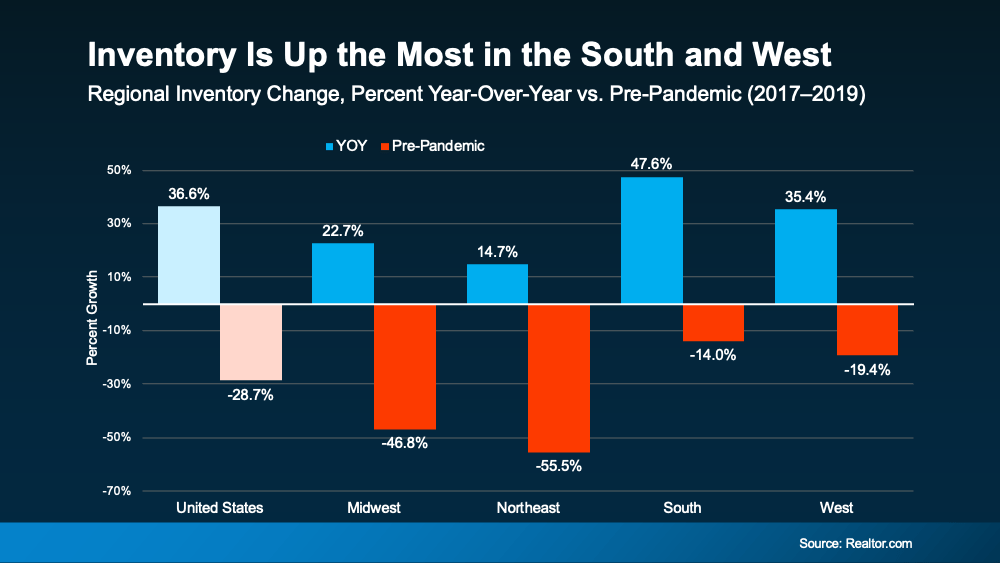
Here’s a rundown of what today’s inventory growth looks like by region (see graph below):No Caption Received

Bottom Line

The supply of homes across the country is improving in a big way, and that’s excellent news for buyers. With more options available, you have a better chance of finding a home that suits your needs and budget.

If you’re ready to explore the growing inventory in Fort Worth, Keller, Haslet, Southlake, or the surrounding areas, let’s connect. We can discuss what you’re looking for in a home and your budget to find the best options for you. At DFW Elite Realty, we’re here to elevate your home buying experience and help you find the perfect home in today’s dynamic market.


Ready to take advantage of the growing inventory? Reach out today, and let’s start your journey toward finding your dream home in the DFW metroplex.


Preparing for a Home Inspection: Key Tips for Sellers in the DFW Metroplex

If you're thinking about selling your house in Fort Worth, Keller, Haslet, or anywhere in the DFW Metroplex, understanding the home inspection process is crucial. A home inspection is a standard part of the selling process, where a professional inspector assesses your home’s condition. As the housing market supply grows and buyers regain negotiation power, it’s becoming more important to make strategic repairs that can provide a good return on investment before listing your home.

Here’s what you need to know to prepare your home for inspection and ensure a smooth selling process.

What Does a Home Inspection Do?

Once your house is under contract, an inspector will assess the overall condition of your home. This includes a thorough examination of various components to identify any issues that might need to be addressed. Knowing what inspectors look for can help you get ahead and make necessary repairs before the buyer’s inspection, potentially preventing delays or renegotiations.

What Do Home Inspectors Look For?

While the specifics can vary by state, home inspectors generally check the following:

  • Roof Condition: Inspectors assess the condition of your roof, looking for signs of wear, damage, or leaks.
  • The Home’s Exterior: This includes the siding, windows, and doors, ensuring there’s no damage that could impact the home’s integrity.
  • Heating and Air Conditioning (HVAC): The HVAC system is checked to ensure it’s functioning properly and efficiently.
  • Plumbing and Electrical Systems: Inspectors examine these systems for any signs of leaks, faulty wiring, or other issues that could be hazardous.
  • Safety Issues: This includes smoke detectors, carbon monoxide detectors, and any other safety-related concerns.
  • Structural Concerns: The foundation, walls, and other structural elements are inspected to ensure the home is stable and secure.

How to Get One Step Ahead as a Seller

As buyers regain negotiation power in today’s market, making select repairs before listing your home can give you a competitive edge. Tackling these repairs not only makes your home more appealing but can also reduce the likelihood of a buyer requesting repairs after the inspection.

Projects with the Best Return on Investment

According to data from Remodeling by JLC and Bankrate, certain repairs offer a higher return on investment (ROI). Here are some of the top projects to consider:

  • Garage Door Replacement: This offers a whopping 193.9% ROI, making it a top choice for sellers looking to enhance curb appeal.
  • Entry Door Replacement: With a 188.1% ROI, upgrading your entry door can make a strong first impression.
  • Vinyl Siding Replacement: This project can recoup 80.2% of its cost, providing both aesthetic and protective benefits.
  • HVAC Conversion/Electrification: This upgrade offers a 66.1% ROI, improving the efficiency and appeal of your home.
  • Roof Replacement (Asphalt Shingles): A new roof can recoup 56.9% of its cost, making it a worthwhile investment for older homes.

Bottom Line

Before you spend money on costly upgrades, it’s essential to ensure that the changes you make will have a high return on investment. A knowledgeable real estate agent can guide you on what local buyers expect and help you decide which repairs are worth doing.

If you’re preparing to sell your home and want to know which repairs to prioritize, let's chat. At DFW Elite Realty, we're here to elevate your home selling experience and ensure you get the best return on your investment.


Thinking about selling your house? 🏡 It’s important to understand what home inspections entail and what inspectors look for. With the growing supply of homes and buyers regaining negotiation power, making strategic repairs that offer a good ROI can set your home apart. Let’s connect to discuss what’s worth tackling before you list. 💬

Thursday, August 8, 2024

Why Now Might Be the Perfect Time to Jump Back into the Dallas Fort Worth Housing Market

Mortgage rates have been one of the hottest topics in the housing market lately due to their significant impact on affordability. If you’re planning to make a move, you’ve probably been eagerly waiting for rates to drop. Fortunately, recent trends indicate that your wait may be over.

Let's explore the latest developments in mortgage rates and what they mean for potential homebuyers in the Dallas-Fort Worth metroplex, particularly in areas like Southlake, Fort Worth, Haslet, and Keller.

Mortgage Rates Are Trending Down

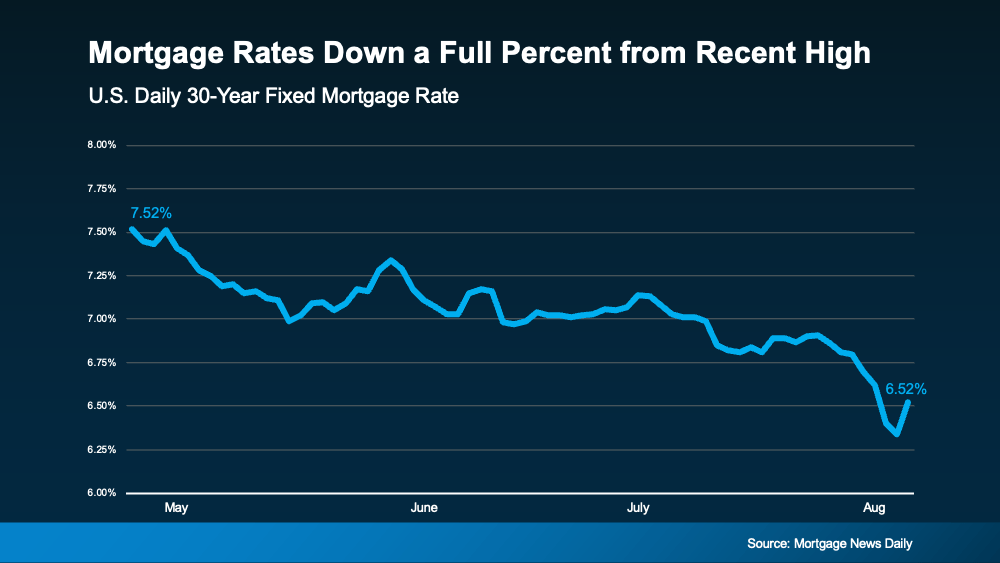
There’s exciting news for potential homebuyers: mortgage rates have begun to trend downward. After the latest economic reports on inflation, unemployment, and the Federal Reserve’s recent comments, mortgage rates have started to decline. According to Freddie Mac, rates are now at their lowest level since February.

No Caption ReceivedShould You Wait for Rates to Drop Further?

You might be wondering if you should wait to see if rates drop even more. However, it’s essential to have realistic expectations. The historically low mortgage rates from the pandemic era are unlikely to return. As Greg McBride, Chief Financial Analyst at Bankrate, explains:

“The hopes for lower interest rates need the reality check that 'lower' doesn't mean we're going back to 3% mortgage rates. . . the best we may be able to hope for over the next year is 5.5 to 6%.”

With mortgage rates already decreasing in recent weeks, now presents a significant opportunity for homebuyers. The current rate levels may be attractive enough to encourage you to make your move.

Understanding the Relationship Between Rates and Demand

If you’re considering waiting for rates to drop further, it’s important to understand the relationship between mortgage rates and buyer demand. Generally, higher rates tend to suppress buyer demand, while lower rates often reignite interest and competition.

What This Means for Homebuyers

  • Increased Competition: As rates continue to decrease, more buyers may re-enter the market, leading to increased competition for available homes. This could result in rising home prices and bidding wars, especially in desirable areas like Fort Worth and Keller.

  • Limited Inventory: The ongoing shortage of homes for sale means that even a slight increase in buyer demand can push prices up further. If rates drop below 6%, it’s likely that more buyers will jump back into the market, intensifying competition.

The National Association of Realtors (NAR) notes that home prices have been rising due to the limited supply of homes. As mortgage rates decrease, the number of active buyers is expected to increase, potentially driving prices higher.

Bottom Line

If you’ve been waiting to make your move, the recent downward trend in mortgage rates provides an excellent opportunity to jump back into the housing market. Rates have reached their lowest point in months, offering a window of opportunity before other buyers re-enter the market and increase competition.

If you’re ready and able to start the home-buying process, don’t wait any longer. Reach out to us at DFW Elite Realty, and let’s get started on elevating your home buying experience. Whether you’re looking for properties in Southlake, Fort Worth, Haslet, or Keller, our team is here to guide you every step of the way.


Contact us today to explore your options and seize the opportunity presented by current mortgage rates. At DFW Elite Realty, we’re here to elevate your home buying experience and help you achieve your real estate goals in the DFW metroplex.

Why Buyers Love Pecan Plantation: Featured Home at 5707 Medinah Drive in Granbury TX

  **UPDATED 6/10/2026** Just Listed Now available in Pecan Plantation, 5707 Medinah Drive offers a rare opportunity to own a beautifully ma...