Wednesday, August 14, 2024

The Great Wealth Transfer: How It’s Impacting the Housing Market and Economy


In recent years, there has been a significant shift in how wealth is distributed across generations—a phenomenon known as the Great Wealth Transfer. This massive transfer of assets is expected to reshape many aspects of life, particularly in the housing market and the broader economy.

What Is the Great Wealth Transfer?

Historically, wealth transfer from one generation to the next was a gradual process, often limited to smaller inheritances or family savings. However, we’re now witnessing a dramatic increase in the scale of this transfer. According to a recent article from Bankrate:

“The biggest wave of wealth in history is about to pass from Baby Boomers over the next 20 years, and it’s going to have major impacts on many facets of life. Called The Great Wealth Transfer, $84 trillion is poised to move from older Americans to Gen X and millennials. If it’s managed smartly, Americans will be able to grow their wealth and ensure their financial security.”

As Baby Boomers retire, sell businesses, or downsize their homes, substantial assets are being passed down to younger generations, particularly Gen X and millennials. This transfer is expected to have a powerful ripple effect on the economy over the next few decades.

Impact on the Housing Market

One of the most immediate and significant impacts of the Great Wealth Transfer is on the housing market. For years, home affordability has been a major concern, especially in high-demand areas like Fort Worth, Keller, and Haslet. However, the increase in generational wealth is expected to ease some of these challenges by providing future homeowners with greater financial resources.

As assets are passed down, younger buyers may find themselves in a stronger position to afford homes. This could lead to more first-time homebuyers entering the market, as well as existing homeowners trading up or purchasing additional properties. A recent article from Merrill highlights this potential benefit:

“While millennials face steep barriers . . . to buying a first home in many markets, ‘that’s a for-now story, not a forever story’ . . . The Great Wealth Transfer should enable more of them to become homeowners — or trade up or add a second home — either through inherited property or the funds for a down payment.”

This trend could be especially impactful in the Dallas-Fort Worth Metroplex, where property values have been on the rise and competition for homes remains fierce. The influx of inherited wealth may help balance the market by increasing purchasing power among younger generations, making homeownership more attainable.

Impact on the Economy

The Great Wealth Transfer is not just about housing—it also has far-reaching implications for the broader economy. As significant sums of money are passed down, there will be new opportunities for entrepreneurial endeavors. For those looking to start a business, inherited funds can provide the necessary capital to launch new ventures, fueling innovation and economic growth.

This transfer of wealth is expected to empower the next generation of business owners and innovators, helping them bring their ideas to life and contribute to economic expansion. In areas like the DFW Metroplex, which is already a hub for business and innovation, this could lead to a surge in new startups and economic activity.

Bottom Line

While home affordability remains a challenge in today’s market, the ongoing Great Wealth Transfer is poised to unlock new opportunities for homeownership and economic growth. As wealth is passed down and put to use, it’s expected to ease some of the barriers to entering the housing market and support the next generation of entrepreneurs.

If you’re considering buying a home or investing in real estate in Fort Worth, Keller, Haslet, or the surrounding DFW Metroplex, now is an excellent time to explore your options. Let’s connect and discuss how you can take advantage of the current market dynamics and make your real estate goals a reality.


Ready to explore the opportunities in the DFW real estate market? Contact us today to start your journey toward homeownership or investment in one of the fastest-growing regions in the country.

Crystal Zschirnt Southlake Westlake Keller Fort Worth Haslet Trophy Club Roanoke Real Estate New Home Selling House Best Agent


Tuesday, August 13, 2024

The Bright Spot in Today’s Housing Market: Growing Inventory Offers More Options for Homebuyers


One of the biggest bright spots in today’s housing market is the significant growth in the supply of homes for sale since the beginning of the year. If you've been contemplating buying a home in the Dallas-Fort Worth metroplex, including areas like Fort Worth, Keller, Haslet, and Southlake, this shift in inventory is great news for you.

Inventory Growth: A National Perspective

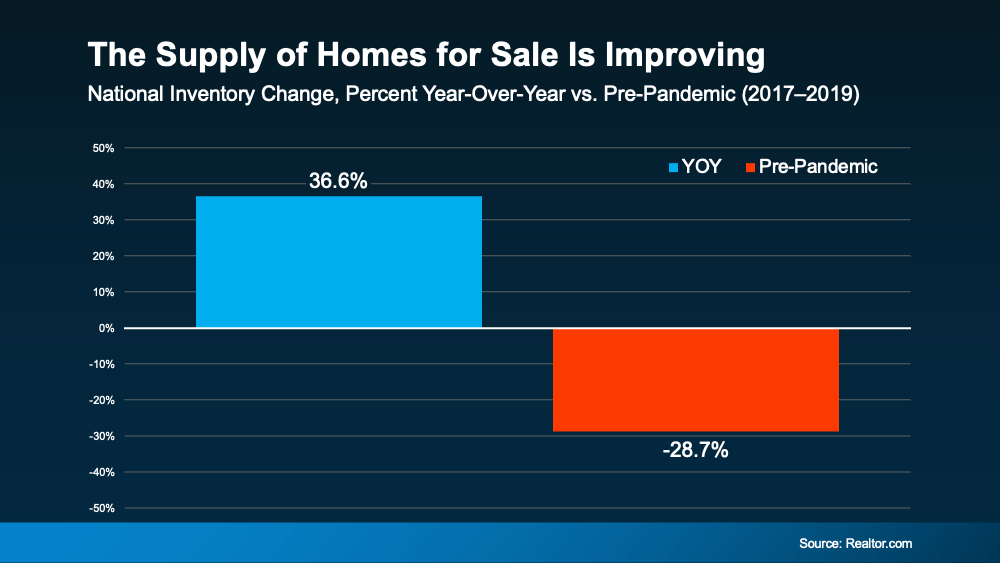
Recent data from Realtor.com reveals that nationally, there are 36.6% more homes actively for sale now compared to the same time last year. This substantial increase in inventory gives you far more options for your move than you would have had just a year ago. With more homes on the market, you’re also regaining some negotiation power, making it a better time to consider purchasing a home.

Why Inventory Growth Matters

As Lawrence Yun, Chief Economist at the National Association of Realtors (NAR), explains:

“Increased housing supply spells good news for consumers who want to see more properties before making purchasing decisions.”

This means that if you were discouraged by the limited inventory over the past few years, you now have a better chance of finding a home that meets your needs and fits your budget.

A Balanced Perspective on Inventory Levels

While the growth in inventory is promising, it’s essential to keep things in perspective. Even though the number of homes for sale has increased, we haven’t suddenly flipped to an oversupply of homes on the market. In fact, when we compare today’s inventory levels to pre-pandemic numbers (2017–2019), there are still roughly 29% fewer homes actively for sale.

Bill McBride, Housing Analyst for Calculated Risk, provides further insight:

“. . . currently inventory is increasing year-over-year but is still well below pre-pandemic levels.”

This means that while the inventory is improving, it’s still not at the levels we would see in a normal market. However, this gradual increase is a step in the right direction, giving buyers more options while maintaining stable home prices. If you compare today’s inventory levels to more normal, pre-pandemic numbers (2017–2019), there are still roughly 29% fewer homes actively for sale now (see graph below):

What This Means for Buyers in the DFW Metroplex

Real estate is hyper-local, meaning the conditions can vary significantly depending on where you are. In some parts of the DFW metroplex, inventory levels may be closer to pre-pandemic norms, providing even more opportunities for homebuyers.

For instance, areas like Fort Worth and Keller are seeing a steady increase in available homes, which could offer you a wider selection of properties. This is especially beneficial in a market where desirable homes often attract multiple offers, as it gives you a better chance to secure a home that meets your criteria.

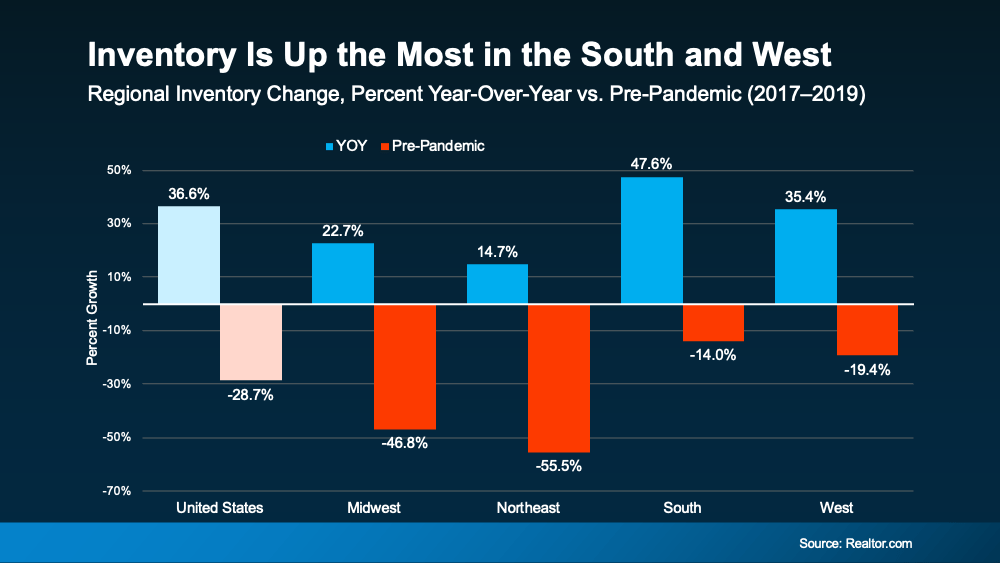
Here’s a rundown of what today’s inventory growth looks like by region (see graph below):No Caption Received

Bottom Line

The supply of homes across the country is improving in a big way, and that’s excellent news for buyers. With more options available, you have a better chance of finding a home that suits your needs and budget.

If you’re ready to explore the growing inventory in Fort Worth, Keller, Haslet, Southlake, or the surrounding areas, let’s connect. We can discuss what you’re looking for in a home and your budget to find the best options for you. At DFW Elite Realty, we’re here to elevate your home buying experience and help you find the perfect home in today’s dynamic market.


Ready to take advantage of the growing inventory? Reach out today, and let’s start your journey toward finding your dream home in the DFW metroplex.


Preparing for a Home Inspection: Key Tips for Sellers in the DFW Metroplex

If you're thinking about selling your house in Fort Worth, Keller, Haslet, or anywhere in the DFW Metroplex, understanding the home inspection process is crucial. A home inspection is a standard part of the selling process, where a professional inspector assesses your home’s condition. As the housing market supply grows and buyers regain negotiation power, it’s becoming more important to make strategic repairs that can provide a good return on investment before listing your home.

Here’s what you need to know to prepare your home for inspection and ensure a smooth selling process.

What Does a Home Inspection Do?

Once your house is under contract, an inspector will assess the overall condition of your home. This includes a thorough examination of various components to identify any issues that might need to be addressed. Knowing what inspectors look for can help you get ahead and make necessary repairs before the buyer’s inspection, potentially preventing delays or renegotiations.

What Do Home Inspectors Look For?

While the specifics can vary by state, home inspectors generally check the following:

  • Roof Condition: Inspectors assess the condition of your roof, looking for signs of wear, damage, or leaks.
  • The Home’s Exterior: This includes the siding, windows, and doors, ensuring there’s no damage that could impact the home’s integrity.
  • Heating and Air Conditioning (HVAC): The HVAC system is checked to ensure it’s functioning properly and efficiently.
  • Plumbing and Electrical Systems: Inspectors examine these systems for any signs of leaks, faulty wiring, or other issues that could be hazardous.
  • Safety Issues: This includes smoke detectors, carbon monoxide detectors, and any other safety-related concerns.
  • Structural Concerns: The foundation, walls, and other structural elements are inspected to ensure the home is stable and secure.

How to Get One Step Ahead as a Seller

As buyers regain negotiation power in today’s market, making select repairs before listing your home can give you a competitive edge. Tackling these repairs not only makes your home more appealing but can also reduce the likelihood of a buyer requesting repairs after the inspection.

Projects with the Best Return on Investment

According to data from Remodeling by JLC and Bankrate, certain repairs offer a higher return on investment (ROI). Here are some of the top projects to consider:

  • Garage Door Replacement: This offers a whopping 193.9% ROI, making it a top choice for sellers looking to enhance curb appeal.
  • Entry Door Replacement: With a 188.1% ROI, upgrading your entry door can make a strong first impression.
  • Vinyl Siding Replacement: This project can recoup 80.2% of its cost, providing both aesthetic and protective benefits.
  • HVAC Conversion/Electrification: This upgrade offers a 66.1% ROI, improving the efficiency and appeal of your home.
  • Roof Replacement (Asphalt Shingles): A new roof can recoup 56.9% of its cost, making it a worthwhile investment for older homes.

Bottom Line

Before you spend money on costly upgrades, it’s essential to ensure that the changes you make will have a high return on investment. A knowledgeable real estate agent can guide you on what local buyers expect and help you decide which repairs are worth doing.

If you’re preparing to sell your home and want to know which repairs to prioritize, let's chat. At DFW Elite Realty, we're here to elevate your home selling experience and ensure you get the best return on your investment.


Thinking about selling your house? 🏡 It’s important to understand what home inspections entail and what inspectors look for. With the growing supply of homes and buyers regaining negotiation power, making strategic repairs that offer a good ROI can set your home apart. Let’s connect to discuss what’s worth tackling before you list. 💬

Thursday, August 8, 2024

Why Now Might Be the Perfect Time to Jump Back into the Dallas Fort Worth Housing Market

Mortgage rates have been one of the hottest topics in the housing market lately due to their significant impact on affordability. If you’re planning to make a move, you’ve probably been eagerly waiting for rates to drop. Fortunately, recent trends indicate that your wait may be over.

Let's explore the latest developments in mortgage rates and what they mean for potential homebuyers in the Dallas-Fort Worth metroplex, particularly in areas like Southlake, Fort Worth, Haslet, and Keller.

Mortgage Rates Are Trending Down

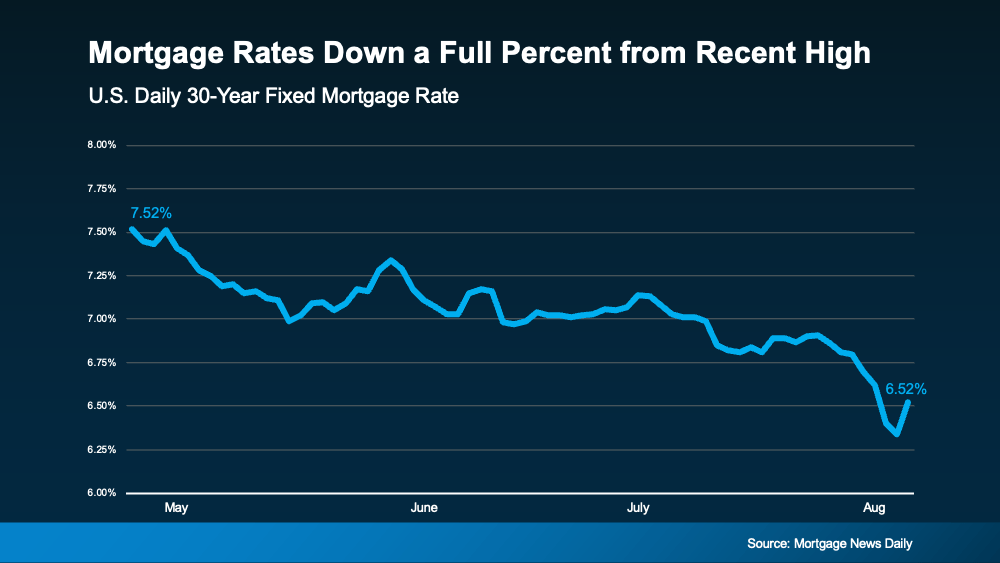
There’s exciting news for potential homebuyers: mortgage rates have begun to trend downward. After the latest economic reports on inflation, unemployment, and the Federal Reserve’s recent comments, mortgage rates have started to decline. According to Freddie Mac, rates are now at their lowest level since February.

No Caption ReceivedShould You Wait for Rates to Drop Further?

You might be wondering if you should wait to see if rates drop even more. However, it’s essential to have realistic expectations. The historically low mortgage rates from the pandemic era are unlikely to return. As Greg McBride, Chief Financial Analyst at Bankrate, explains:

“The hopes for lower interest rates need the reality check that 'lower' doesn't mean we're going back to 3% mortgage rates. . . the best we may be able to hope for over the next year is 5.5 to 6%.”

With mortgage rates already decreasing in recent weeks, now presents a significant opportunity for homebuyers. The current rate levels may be attractive enough to encourage you to make your move.

Understanding the Relationship Between Rates and Demand

If you’re considering waiting for rates to drop further, it’s important to understand the relationship between mortgage rates and buyer demand. Generally, higher rates tend to suppress buyer demand, while lower rates often reignite interest and competition.

What This Means for Homebuyers

  • Increased Competition: As rates continue to decrease, more buyers may re-enter the market, leading to increased competition for available homes. This could result in rising home prices and bidding wars, especially in desirable areas like Fort Worth and Keller.

  • Limited Inventory: The ongoing shortage of homes for sale means that even a slight increase in buyer demand can push prices up further. If rates drop below 6%, it’s likely that more buyers will jump back into the market, intensifying competition.

The National Association of Realtors (NAR) notes that home prices have been rising due to the limited supply of homes. As mortgage rates decrease, the number of active buyers is expected to increase, potentially driving prices higher.

Bottom Line

If you’ve been waiting to make your move, the recent downward trend in mortgage rates provides an excellent opportunity to jump back into the housing market. Rates have reached their lowest point in months, offering a window of opportunity before other buyers re-enter the market and increase competition.

If you’re ready and able to start the home-buying process, don’t wait any longer. Reach out to us at DFW Elite Realty, and let’s get started on elevating your home buying experience. Whether you’re looking for properties in Southlake, Fort Worth, Haslet, or Keller, our team is here to guide you every step of the way.


Contact us today to explore your options and seize the opportunity presented by current mortgage rates. At DFW Elite Realty, we’re here to elevate your home buying experience and help you achieve your real estate goals in the DFW metroplex.

Where Will You Go After You Sell? Understanding Your Options in the DFW Metroplex

If you're planning to sell your house and move within the Dallas Fort Worth Metroplex, you’re likely aware of the recent shortage of available homes. However, there's good news: the supply of homes for sale has grown this year, including both newly built and existing homes. But how do you decide which option is best for you? Let's explore the benefits of both newly built and existing homes to help you make an informed decision.

Perks of a Newly Built Home

Buying a newly built home offers several advantages, especially in today's market. Here are some key benefits:

Brand New Everything

When you buy a newly built home, you get the advantage of brand-new appliances, fixtures, and materials. This means you won’t have to worry about replacing old or worn-out items for a while.

Energy Efficiency

New homes are often built with the latest energy-efficient options, which can save you money on utilities and reduce your environmental footprint. Energy-efficient homes are designed to maintain optimal temperature control, lower utility bills, and provide a more comfortable living environment.

Minimal Repairs and Builder Warranties

With everything being new, the need for repairs is minimized. Plus, new homes typically come with builder warranties, giving you peace of mind about potential issues that may arise.

Builder Concessions

Many builders are currently offering concessions to sell their existing inventory, making it more affordable to buy a new home. These concessions can include price reductions, upgrades, or assistance with closing costs.

Competitive Pricing

Interestingly, the median price for a newly built home is now lower than the median price of an existing home. According to Ralph McLaughlin, Senior Economist at Realtor.com:

“Homebuyers who are looking for that ‘new-home smell’ may be in a relatively friendlier market than times past when new homes were considerably more expensive than used ones.”

In areas like Southlake, Fort Worth, and Keller, this trend can make new homes an attractive option.

Working with Your Real Estate Agent

Your real estate agent can help you navigate the process of buying a new home by leveraging their knowledge of local builders, new communities, and builder contracts.

Perks of an Existing Home

Existing homes also offer unique benefits that might align with your lifestyle and preferences. Here are some advantages of buying an existing home:

Established Neighborhoods

Existing homes are typically located in established neighborhoods, allowing you to get a feel for the community before moving in. This can be particularly important for families looking for good schools, amenities, and a sense of community.

Variety of Floorplans and Styles

With existing homes, you have a wider variety of architectural styles and floorplans to choose from. This variety can help you find a home that truly fits your personal taste and needs.

Lived-In Charm

Older homes often come with a unique charm and character that new homes may lack. Features like mature trees, well-established landscaping, and historical details add to the appeal.

Potential for Upgrades

One strategic advantage of buying an existing home is the potential for upgrades. You can personalize your home over time with cosmetic updates that enhance its value. As LendingTree points out:

“. . . they can personalize it and possibly increase its potential resale value with cosmetic upgrades . . . Plus, if a home comes with physical details or stories that add charm, in some cases, these elements are attractive enough to add to a home’s resale value . . .”

Real Estate Agent Assistance

Your real estate agent can show you the available homes in your area, helping you find an existing home that meets your needs and fits your lifestyle.

Bottom Line

Deciding whether to buy a newly built home or an existing home involves weighing various factors, from financial considerations to personal preferences. In today's market, understanding the opportunities and benefits of both options is essential. Let’s connect to provide you with expert guidance as you explore your options in the DFW Metroplex, including Southlake, Fort Worth, Keller, and Haslet. At DFW Elite Realty, we're here to elevate your home-buying or selling experience and help you find the perfect home for your needs.

Wednesday, August 7, 2024

What Every Dallas Fort Worth Homeowner Should Know About Their Equity

Are you curious about selling your home? Understanding how much equity you have is a crucial first step in determining what you can afford when you move. With the significant rise in home prices over the past few years, many homeowners have accumulated more equity than they realize. This increased equity can be a powerful asset in your next real estate endeavor, whether you're buying a larger home, downsizing, or investing in a new property.

Let's explore what home equity is, how to calculate it, and what steps you should take if you're considering cashing in on your investment.

Home Equity: What Is It and How Much Do You Have?

No Caption ReceivedHome equity is the difference between your home's current market value and the remaining balance on your mortgage. For example, if your home is valued at $400,000 and you owe $200,000 on your mortgage, your equity is $200,000. This equity represents the portion of your home that you truly own, and it can be leveraged for various financial purposes.

Recent Data on Home Equity

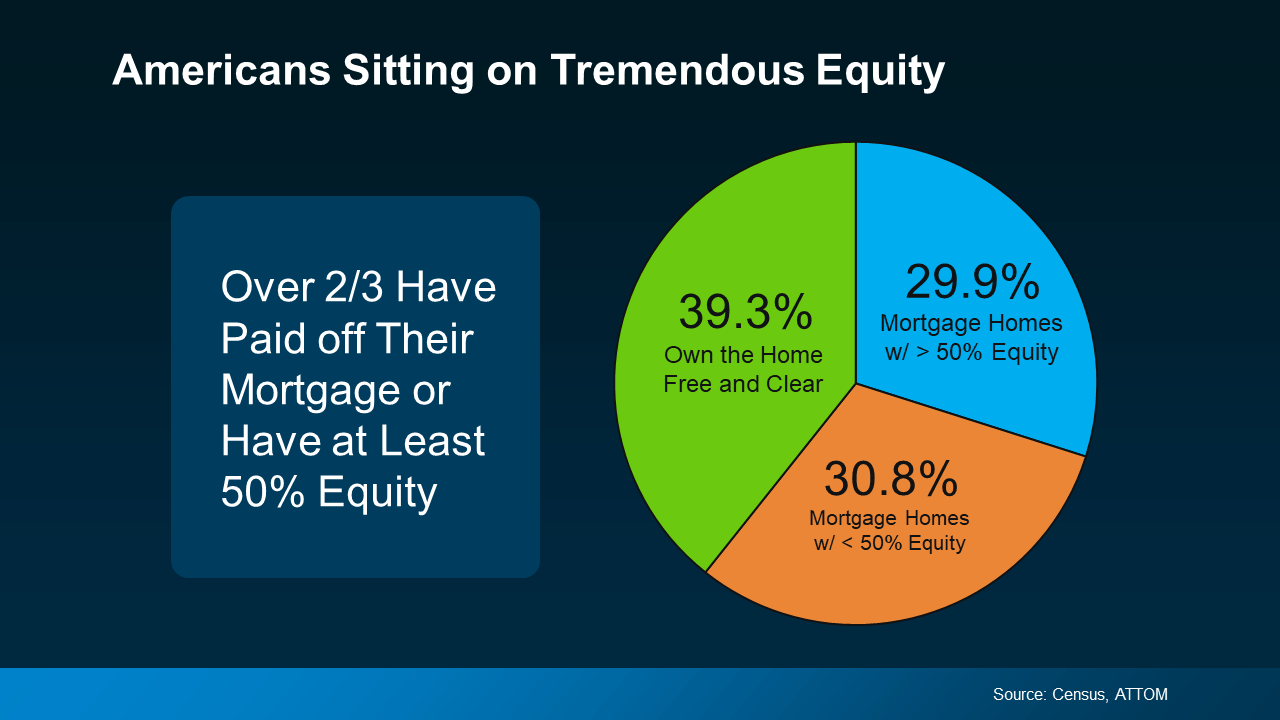
According to recent data from the Census Bureau and ATTOM Data Solutions, American homeowners are experiencing significant equity gains. Here are some key findings:

  • Substantial Equity: More than two out of three homeowners have either fully paid off their mortgages or have at least 50% equity in their homes. This indicates a strong equity position for the majority of homeowners.

  • Rising Home Values: The increase in home prices over the past few years has contributed to higher equity levels, allowing homeowners to receive a larger return on their investment when they sell.

The National Association of Realtors (NAR) reports that the average homeowner gained approximately $64,000 in home equity over the past year alone. This trend underscores the potential financial benefits of tapping into your home equity.

What You Should Do Next

If you're considering selling your home, it's important to have a clear understanding of your home equity and how it can impact your financial future. Here are the steps you should take:

Determine Your Home's Current Market Value

Start by getting an accurate estimate of your home's current market value. This can be done through a professional appraisal or by consulting a real estate agent who specializes in your local market.

Calculate Your Home Equity

Once you know your home's market value, subtract the remaining balance on your mortgage to determine your equity. This will give you a clearer picture of your financial standing.

Consult with Real Estate and Financial Experts

Working with a team of experts can help you navigate the complexities of selling your home and leveraging your equity. Consider consulting with the following professionals:

  • Real Estate Agent: A knowledgeable agent can provide insights into the local market, help you price your home competitively, and guide you through the selling process.

  • Tax Professional: Consulting a tax advisor can help you understand the tax implications of selling your home and how to maximize your financial benefits.

  • Financial Advisor: A financial advisor can assist you in developing a strategy for reinvesting your equity, whether you're buying a new home, investing in the stock market, or exploring other financial opportunities.

Bottom Line

Home prices have increased significantly in recent years, which means your home equity likely has too. This equity can be a powerful tool in achieving your financial goals and making your next move in the real estate market. If you're thinking about selling your home, let's connect to assess your equity, explore your options, and help you move forward confidently. At DFW Elite Realty, we're here to provide expert guidance and support in Southlake, Fort Worth, Haslet, Keller, and beyond.


Whether you're buying, selling, or seeking real estate advice, contact us today for personalized assistance in the DFW real estate market. Let's work together to maximize your equity and elevate your home selling experience! realtor, best agent, real estate, Southlake, Keller, Haslet, home buyer, home seller, home value, Trophy Club, Fort Worth, new home, house, home selling, seller tips, 4wheeltorhomes, 4wheeltor, Crystal Zschirnt, Westlake, Roanoke, Justin, Northlake, Flower Mound, Argyle, Texas

💾 𝗡𝗼𝘄 | 𝗙𝗼𝗹𝗹𝗼𝘄 𝗳𝗼𝗿 𝗠𝗼𝗿𝗲 | 𝗦𝗵𝗮𝗿𝗲 𝘁𝗵𝗲 𝗞𝗻𝗼𝘄𝗹𝗲𝗱𝗴𝗲

 𝗖𝗿𝘆𝘀𝘁𝗮𝗹 𝗭𝘀𝗰𝗵𝗶𝗿𝗻𝘁 | 𝗣𝗿𝗲𝗺𝗶𝗲𝗿 𝗔𝗴𝗲𝗻𝘁 | 𝟴𝟭𝟳-𝟴𝟳𝟰-𝟳𝟲𝟳𝟳 | 𝗖𝗭@𝗥𝗲𝗱𝗳𝗶𝗻.𝗰𝗼𝗺

 #DFWRealEstate #DFWRedfin #DFWEliteRealty #DFWHomes #4wheeltor #4wheeltorhomes

2 Selfish Reasons Sellers Should Still Offer to Pay a Commission to Buyers Agents


If you’ve been planning on selling your house, or are currently in the middle of doing so, you’ve probably heard that there will be some changes in how your home can be listed and marketed, with regard to a commission being offered (or not) to buyers’ agents.

While some listing agents may already be implementing the changes ahead of time, as of August 17, 2024, your agent cannot include an offer to compensate buyers’ agents on a Multiple Listing Service (MLS), which is a local marketplace used by both buyer brokers and listing brokers to share information about properties for sale.

Some sellers may misinterpret this as saying that they’re no longer allowed to offer compensation to buyers’ agents at all, but a recent article from the National Association of REALTORS® clarifies that you certainly can offer compensation to buyer brokers, “as a way of marketing your home or making your listing more attractive to buyers,” as long as the following is done:

  • Your agent needs to conspicuously disclose any offer of compensation that will be made to a buyers’ agent, and get your approval to do so.
  • The disclosure needs to specify the amount or rate of the payment being offered, and do so before it is offered.
  • As stated above, the offer of compensation can’t be included in your listing on the Multiple Listing Service, however, your listing can be advertised on platforms such as social media, flyers and websites.

That said, sellers aren’t obligated to offer any compensation to buyers’ agents, and some sellers may decide against offering to pay a commission to a buyers’ agent.

While that may sound appealing, and like a way to save or make more money on the sale of your home, there are some things you might want to keep in mind before taking that approach.

It Could Cost You More Time and Money Than It Saves You

On the other side of the equation, buyers will now be required to sign an agreement with any agent who is showing them even a single house. Their agreements will include an amount of compensation the buyer agrees their agent is entitled to earn, and, technically, the buyer is agreeing to pay that amount if the seller of the house they want to buy isn’t willing to pay it.

But before you opt to let the buyer be responsible for paying their agents commission out of their own pocket, here are 2 reasons you should consider offering to pay a commission to buyers’ agents:

  • It could impact how many buyers make offers on your house. One of the best ways to ensure you get the highest price for your house, and sell it as quickly as possible, is to make sure every buyer in the market for a home like yours comes to see it and wants to make an offer. If you’re not offering to pay a commission to a buyers’ agent, that may eliminate some of your potential buyers who are only focused on listings that will cover the commission of their buyers agent.

    If you’re competing with other houses for sale in your area, buyers could choose to buy a house that the seller is offering to pay the commission because it makes more financial sense for them, rather than paying their agent directly out of pocket.

  • It could lead to a longer time on the market, which often impacts the final sales price. Sellers have become used to houses selling extremely quickly over the past few years, due to a lack of inventory, but that’s not always the case. And whether it’s right, wrong, or somewhere in between, the amount of time a house sits on the market impacts how buyers think and feel about the value of a property. The longer a house sits on the market, the more buyers think something must be wrong with it, and the less they think it’s worth.

    In the past, the usual reasons a house sat on the market for a long time were due to a seller pricing it way too high, or not making it easy for buyers to come see. But if a seller isn’t offering a commission to buyers’ agents, it could increase the days on market if it eliminates the number of interested buyers, which could lead to a lower sales price. So, any attempt at saving money by avoiding a commission could end up costing more than it saved.

The Takeaway:

Starting August 17, 2024, your listing agent can’t include an offer to compensate buyers’ agents on the Multiple Listing Service (MLS), but you can still offer compensation as long as it’s disclosed and approved by you. While not offering to pay buyers’ agents might seem like an appealing way to save money, it could actually cost you in the long run by reducing the number of offers and potentially lowering your final sales price. Offering compensation can make your listing more attractive and help sell your house faster, and for the highest price possible

Helpful Negotiation Tactics for Today’s Housing Market

If you haven’t already heard, homebuyers in the Dallas Fort Worth area are regaining some negotiating power in today’s market. While it may not be a full-blown buyer’s market, buyers may be able to ask for a little more flexibility. Sellers, therefore, need to be prepared for potential negotiations and know what they’re willing to negotiate.

Whether you’re looking to buy or sell a home, here’s a quick rundown of potential negotiations that may arise during your transaction. This way, you’re prepared, whether you’re on the buying or selling side.

What Can You Negotiate?

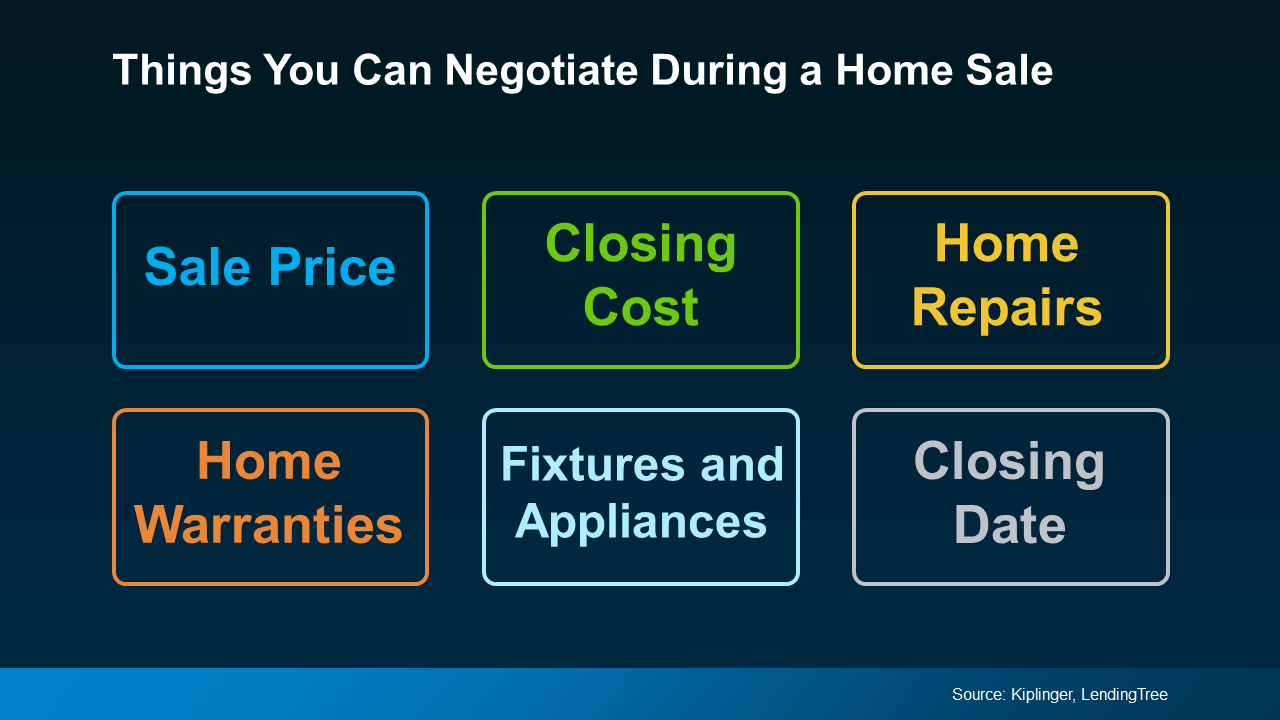
Most aspects of a real estate transaction are open for negotiation. Here are a few options to consider, according to Kiplinger and LendingTree:

  • Sale Price: The most apparent negotiation point is the price of the home. With affordability being a concern, buyers are more inclined to negotiate the price. Sellers who aren’t realistic about their asking price might need to consider adjusting it.

  • Home Repairs: Based on the home inspection, buyers can request reasonable repairs from the seller. If the seller is unwilling, they might offer a price reduction or cover some closing costs so the buyer can manage the repairs themselves.

  • Fixtures: Buyers can ask for appliances or furniture to be included in the sale. Having the seller leave behind items like the washer and dryer can reduce moving expenses for the buyer. Sellers might consider this as a sweetener, leaving their existing appliances and investing in new ones for their next home.

  • Closing Costs: Typically, closing costs range from 2-5% of the home’s purchase price. Buyers can ask sellers to cover part or all of these costs, helping offset the cash required at closing.

  • Home Warranties: Buyers might request that sellers cover the cost of a home warranty. This is especially beneficial for buyers concerned about potential maintenance costs after the sale. Since this concession is usually modest for sellers, it can be a win-win for both parties.

  • Closing Date: Buyers can request a faster or extended closing period based on their needs. Sellers can also negotiate based on their own schedule to find a suitable compromise.

One constant, whether you’re buying or selling, is the value of having a skilled real estate agent. Your agent is crucial for handling negotiations and advocating for your best interests. As Bankrate emphasizes:

“Agents have expert negotiating skills. Without one, you must negotiate the terms of the contract on your own.”

Agents can also provide valuable insights by uncovering what the other party is seeking, which can be crucial at the negotiation table.

Bottom Line

Buyers are gaining some negotiation power in today’s market. Buyers, understanding what levers you can pull will help you feel confident and empowered in your purchase. Sellers, knowing what buyers might ask for gives you a chance to consider what you’re willing to offer.

Want to discuss what to expect and explore your options? Let’s connect and elevate your home buying experience!

Tuesday, August 6, 2024

Exploring Home Equity Agreements (HEAs): A New Way to Tap Into Your Home Equity


Exploring Home Equity Agreements (HEAs): A New Way to Tap Into Your Home Equity

If you're familiar with real estate terminology, chances are you've heard of a home equity line of credit, more commonly known as a HELOC. HELOCs have long been a popular method for homeowners to access the equity in their homes for various financial needs. However, there's another lesser-known option that can offer unique benefits: the home equity agreement, or HEA.

Understanding the nuances of an HEA and how it compares to a HELOC is crucial for homeowners looking to make informed financial decisions. Let's dive into the details of how a home equity agreement works, its advantages and drawbacks, and determine if it might be the right fit for your financial strategy.

What is a Home Equity Agreement (HEA)?

A home equity agreement is an innovative financial tool that allows homeowners to access the equity in their homes without taking on additional debt in the traditional sense. While similar to a HELOC, an HEA differs in how it structures repayment and its accessibility to those with varying credit profiles.

How Does an HEA Work?

With a home equity agreement, you can borrow money against the equity of your home, but unlike a HELOC, there are no monthly payments. Instead, you agree to pay back the borrowed amount plus a percentage of your home's appreciation when you sell your property. This percentage typically ranges from 10% to 40% of the appreciation, depending on the terms of the agreement.

Here's a breakdown of how an HEA works:

  • No Monthly Payments: Unlike HELOCs, which require monthly payments, HEAs don't require you to make regular payments on the borrowed amount. This can provide financial flexibility, especially for homeowners looking to avoid monthly financial obligations.

  • Repayment Upon Sale: The loan is repaid when you sell your home, including the agreed-upon percentage of the home's appreciation. This means that if your home significantly appreciates in value, the lender will share in the gains.

  • Loan Term: If you decide not to sell your home, you'll still be required to repay the loan and the owed percentage at the end of the loan term, which is generally between 10 and 30 years.

Advantages of a Home Equity Agreement

Many homeowners are attracted to HEAs because of their unique benefits, particularly for those with less-than-perfect credit or those seeking to avoid monthly payments.

  • Lower Barrier to Entry: One of the primary advantages of an HEA is its accessibility. While HELOCs generally require a credit score of 620 or above, lenders offering HEAs tend to be less stringent with credit requirements. This makes HEAs a viable option for homeowners with less-than-perfect credit who want to leverage their home equity.

  • No Monthly Payments: The absence of monthly payments can be appealing, especially for homeowners who want to maintain financial flexibility. This can be particularly advantageous for those on fixed incomes or who wish to avoid adding another monthly bill to their budget.

  • Flexibility: HEAs offer flexibility in how you use the funds. Whether you're looking to make home improvements, consolidate debt, or invest in other opportunities, the funds from an HEA can be used for various financial goals.

Drawbacks of a Home Equity Agreement

While HEAs offer compelling advantages, there are also significant drawbacks that homeowners should consider before entering into such an agreement.

  • Sharing Home Appreciation: The most notable drawback of an HEA is that you must give up a percentage of your home's appreciation when you sell. Depending on the agreement, this can be up to 40% of the appreciation. If your home appreciates significantly, this could mean a substantial amount of money going to the lender.

  • Potential for Higher Costs: While you avoid monthly payments, the overall cost of an HEA can be higher in the long run. If your home appreciates significantly, the amount you owe upon sale could far exceed what you might have paid with a traditional loan or HELOC.

  • Obligation at End of Term: If you choose not to sell your home within the loan term, you'll still need to repay the loan and the agreed-upon percentage at the end of the term. This can create financial strain if you're unprepared for the lump sum repayment.

Is an HEA Right for You?

Deciding whether a home equity agreement is the right financial tool for you depends on your unique financial situation and goals. Here are a few considerations to help you determine if an HEA might be a suitable option:

  • Credit Profile: If you have a lower credit score that makes traditional loans or HELOCs inaccessible, an HEA may offer a viable alternative.

  • Financial Flexibility: If you prioritize financial flexibility and want to avoid monthly payments, an HEA can provide the breathing room you need.

  • Long-Term Plans: Consider your long-term plans for your home. If you anticipate significant appreciation or plan to stay in your home for the long term, carefully weigh the potential costs of sharing appreciation against the benefits of accessing your equity.

  • Consult with Experts: Consulting with a financial advisor or real estate professional can provide valuable insights tailored to your situation. Understanding the terms and implications of an HEA is crucial before making a decision.


As you explore options for tapping into your home equity, understanding the nuances of a home equity agreement can empower you to make informed decisions. Whether you're navigating the high-end real estate markets in Fort Worth, Haslet, Keller, or the broader DFW metroplex, leveraging your home's equity can be a strategic move. For personalized advice and guidance, contact DFW Elite Realty today, and let's explore how you can maximize your home's value and achieve your financial goals.

Why Buyers Love Pecan Plantation: Featured Home at 5707 Medinah Drive in Granbury TX

  **UPDATED 6/10/2026** Just Listed Now available in Pecan Plantation, 5707 Medinah Drive offers a rare opportunity to own a beautifully ma...