Friday, March 7, 2025

Building a New Home: 6 Ways to Save Money Without Compromising on Quality

Building a new home is a dream for many, but a common misconception is that it’s too expensive to be feasible. While it’s true that constructing a home from the ground up is a significant investment, it doesn’t have to break the bank. The key to keeping costs under control lies in strategic planning, smart decision-making, and understanding where to save versus where to splurge.

According to the National Association of Home Builders (NAHB), the average cost to build a home in the U.S. is approximately $150 to $200 per square foot, though this varies based on location, materials, and labor costs. Fortunately, with thoughtful choices, homeowners can reduce unnecessary expenses without sacrificing quality.

If you’re considering building a home, here are six proven ways to save money while creating your dream space.

1. Set a Realistic Budget and Stick to It

The first step in any successful home-building project is establishing a budget. Before purchasing land or selecting a floor plan, consult a financial advisor and lender to determine your financing options and loan pre-approval amount.

Ways to Keep Your Budget in Check:

✔️ Work with your builder to get detailed cost estimates upfront.
✔️ Factor in hidden costs such as permits, impact fees, and landscaping.
✔️ Prioritize must-haves over wish-list items to prevent unnecessary spending.
✔️ Resist the temptation to upgrade beyond your means—small splurges add up fast!

According to Zillow, nearly 30% of homebuyers exceed their budget during construction due to unplanned changes or add-ons. Avoid budget creep by finalizing your design early and committing to your financial plan.

2. Choose a Modest and Efficient Floor Plan

The size of your home significantly affects your total building cost. On average, each additional 250 square feet can add $25,000 (or more, depending on materials and labor). Instead of going bigger, focus on efficiency and functionality.

Tips for a Cost-Efficient Layout:

✔️ Opt for an open floor plan—it creates a spacious feel without adding square footage.
✔️ Limit hallways and unnecessary rooms to maximize usable space.
✔️ Consider multi-purpose areas, like a home office that doubles as a guest room.
✔️ Avoid complex architectural features (e.g., curved walls, vaulted ceilings) that drive up construction costs.

Did you know?
The median new home size in the U.S. has been shrinking—from 2,467 sq. ft. in 2015 to 2,261 sq. ft. in 2023, as more buyers prioritize affordability and energy efficiency (NAHB data).

3. Select an Aesthetic That Works in Your Favor

Certain design choices can reduce construction costs while still delivering a stylish and modern look.

Money-Saving Aesthetic Ideas:

✔️ Industrial or rustic styles embrace exposed materials (e.g., unfinished wood beams, concrete floors) for an intentional yet budget-friendly look.
✔️ Minimalist designs require fewer materials, trims, and built-ins—saving money.
✔️ Prefabricated components (e.g., pre-assembled kitchen cabinets) can cut labor costs by up to 20% compared to custom-built options.

By incorporating cost-conscious design choices, you can achieve a beautiful home without overspending on unnecessary finishes.

4. Save on Finishes, Fixtures, and Materials

Not all features need to be top-of-the-line from the start. By strategically choosing where to spend and where to save, you can keep costs down while allowing for future upgrades.

Where to Save:

✔️ Flooring: Opt for luxury vinyl plank (LVP) instead of traditional hardwood—LVP is 50% cheaper, yet highly durable and stylish.
✔️ Lighting: Choose standard builder-grade fixtures and replace them later when budget allows.
✔️ Appliances: Consider scratch-and-dent models or energy-efficient rebates.
✔️ Window Treatments: Skip expensive custom blinds initially and install them later.

💡 Pro Tip: Research bulk discounts at warehouse stores or liquidation sales for additional savings.

5. Splurge Where It Adds Value

While cost-cutting is essential, some upgrades are worth the investment—especially those that enhance your home’s long-term value and appeal to future buyers.

Best Areas to Splurge:

✔️ Energy Efficiency: Invest in high-quality insulation, windows, and appliances to lower utility bills.
✔️ Kitchen & Bathrooms: These areas offer the highest return on investment (ROI) in resale value.
✔️ Outdoor Living Spaces: According to Zillow, homes with decks, patios, or fire pits sell for 5-10% more than those without.
✔️ Laundry Room: NAHB reports that 87% of buyers consider a dedicated laundry space essential in a home.

Bottom line: Spend wisely on elements that enhance functionality and resale value while avoiding overpriced cosmetic trends that may not age well.

6. Work with the Right Builder 

Your choice of home builder plays a critical role in cost, quality, and efficiency. The right builder will respect your budget while ensuring your home is well-constructed and completed on time.

How to Find a Budget-Friendly, High-Quality Builder:

✔️ Compare multiple builders and request itemized bids.
✔️ Read customer reviews and check their completed projects.
✔️ Ask about included features vs. costly add-ons in their base pricing.
✔️ Choose a builder with transparent pricing and a solid reputation.

A great builder helps you navigate cost-saving opportunities, avoid common pitfalls, and stick to your financial plan.

Final Thoughts: How to Build Your Dream Home on a Budget

Building a new home doesn’t have to drain your savings. By setting a firm budget, choosing an efficient design, and making strategic decisions on materials and upgrades, you can create a custom home that meets your needs and financial goals.

If you’re ready to begin your home-building journey, our team at Signature Homes makes the process transparent and stress-free. Contact us today to explore affordable, high-quality new home options in our beautiful communities. realtor, best agent, real estate, Southlake, Keller, Haslet, home buyer, home seller, home value, Trophy Club, Fort Worth, new home, house, home selling, seller tips, 4wheeltorhomes, 4wheeltor, Crystal Zschirnt, Westlake, Roanoke, Justin, Northlake, Flower Mound, Argyle, Texas

💾 𝗡𝗼𝘄 | 𝗙𝗼𝗹𝗹𝗼𝘄 𝗳𝗼𝗿 𝗠𝗼𝗿𝗲 | 𝗦𝗵𝗮𝗿𝗲 𝘁𝗵𝗲 𝗞𝗻𝗼𝘄𝗹𝗲𝗱𝗴𝗲

𝗖𝗿𝘆𝘀𝘁𝗮𝗹 𝗭𝘀𝗰𝗵𝗶𝗿𝗻𝘁 | Premier REALTOR® | 𝟴𝟭𝟳-𝟴𝟳𝟰-𝟳𝟲𝟳𝟳 | 𝗖𝗭@𝗥𝗲𝗱𝗳𝗶𝗻.𝗰𝗼𝗺

#DFWRealEstate #DFWRedfin #DFWEliteRealty #DFWHomes #4wheeltor #4wheeltorhomes

Monday, February 17, 2025

Are You Summer Ready? This Haslet Home Sure Is!!

Blog Post 8

14857 Gilley Lane, Haslet, TX

Click here to Get Directions
3 BEDROOMS
2 BATHROOMS
0.15 acres Lot

Welcome to Sendera Ranch! This beautiful single-story home features 3 bedrooms, 2 bathrooms, and outstanding curb appeal with its charming brick and stone exterior. Inside, you'll find an inviting layout with a formal dining area that seamlessly flows into a well-appointed kitchen, complete with rich cabinetry, a subway tile backsplash, granite countertops, and a spacious breakfast bar. The cozy living room, centered around a warm fireplace, is perfect for relaxing on cool evenings or entertaining guests. Designed for privacy, the split-bedroom floor plan includes a versatile bonus room between the secondary bedrooms—ideal for a home office, playroom, or additional living space. The serene primary suite, tucked away at the back of the home, provides a peaceful escape. Step outside to your own backyard oasis, where a covered patio offers the perfect spot for outdoor dining and lounging. Just beyond, a sparkling saltwater pool awaits, providing a refreshing retreat on warm days. Whether you're hosting gatherings, soaking up the sun, or simply unwinding, this outdoor space is designed for enjoyment. Sendera Ranch offers fantastic community amenities, including pools, a splash pad, parks, playgrounds, sports fields, fishing ponds, and year-round neighborhood events. Schedule your showing today!

Monday, January 27, 2025

Down Payment on a House: How Much Do You Really Need?


For many aspiring homeowners, the most significant hurdle to purchasing a home is often the down payment. You may have heard that you need 20% upfront, but the truth is far more flexible. Whether you're buying a suburban home in Fort Worth, or a chic condo in Dallas, various options make homeownership accessible. From low down payment loans to assistance programs, you may need much less than you think to buy your dream home.

What Is a Down Payment?

A down payment is an upfront payment made when purchasing a home. It’s typically expressed as a percentage of the home’s purchase price. For example, if you’re buying a $300,000 house and plan to put 10% down, you’ll pay $30,000 upfront, with the rest covered by a mortgage loan.

While a 20% down payment was once considered standard, it’s no longer a requirement, thanks to modern lending options. Many loan programs allow buyers to put down as little as 3%—or even 0% in some cases.


Why Is a Down Payment Important?

A down payment reduces the risk for lenders, demonstrating your financial stability and commitment to the purchase. The amount you choose to put down affects several aspects of your home-buying journey, including:

  • Loan Approval: Higher down payments often improve your chances of qualifying for a mortgage.
  • Loan Terms: Larger down payments may result in lower interest rates and more favorable loan terms.
  • Monthly Payments: The more you pay upfront, the less you’ll owe each month.

Minimum Down Payments by Loan Type

Let’s explore the minimum down payment requirements for popular loan types:

Loan TypeMinimum Down PaymentDetails
Conventional LoanAs low as 3%Requires PMI if less than 20% is put down. Suitable for borrowers with good credit.

FHA Loan3.5% (Credit score 580+)Ideal for buyers with lower credit scores; includes Mortgage Insurance Premiums (MIP).
10% (Credit score 500-579)
VA Loan0%Exclusively for eligible military members and veterans; no PMI but includes a funding fee.

USDA Loan0%Requires the home to be in a designated rural area; income limits may apply.

Jumbo Loan5-10% (Varies)For homes exceeding conventional loan limits; higher down payments and stricter requirements.

Second Homes/Investments10-25% (Varies)Higher down payments required for non-primary residences.

What Is PMI?

If your down payment is less than 20% on a conventional loan, you’ll likely need to pay Private Mortgage Insurance (PMI). PMI protects the lender in case you default on your loan but offers no direct benefit to you.

Here’s what you need to know:

  • PMI Costs: Typically ranges from 0.5% to 1% of the loan amount annually, added to your monthly mortgage payment.
  • PMI Removal: Once you reach 20% equity in your home, you can request PMI removal. It’s automatically removed at 22% equity.

Pros and Cons of Different Down Payment Sizes

Advantages of a Larger Down Payment

  1. Better Interest Rates: A larger down payment signals lower risk to lenders, often resulting in reduced interest rates.
  2. Lower Monthly Payments: Borrowing less means smaller monthly payments, freeing up your budget.
  3. No PMI: Avoid the added cost of private mortgage insurance.
  4. Stronger Offers: In competitive markets, higher down payments make your offer more attractive to sellers.

Advantages of a Smaller Down Payment

  1. Accessible Homeownership: Lower down payments make it easier for first-time buyers to enter the market.
  2. Financial Flexibility: Retain funds for closing costs, repairs, or other investments.
  3. Down Payment Assistance: Leverage grants, loans, and credits to cover costs.

How to Calculate Your Down Payment

Calculating your down payment is straightforward. Simply multiply the home’s price by your chosen percentage.

For example:

  • On a $400,000 home with a 10% down payment, you’d pay $40,000 upfront.
  • At 3%, your down payment would be $12,000.

Online affordability calculators can also help you estimate your monthly payments and closing costs.


Other Costs to Consider

In addition to the down payment, be prepared for:

  • Closing Costs: Typically 2-5% of the home’s price, covering fees like inspections, appraisals, and property taxes.
  • Ongoing Costs: HOA fees, homeowners insurance, and routine maintenance.
  • Emergency Fund: Maintain a financial cushion for unexpected expenses.

Down Payment Assistance Programs

First-time homebuyers have access to a variety of assistance programs:

  • Loans: Deferred or forgiven second mortgages with low or no interest.
  • Grants: Non-repayable funds to cover closing costs or part of the down payment.
  • Credits: Tax incentives like Mortgage Credit Certificates (MCCs) that reduce your federal tax liability.

Even if you’re not a first-time buyer, some programs may still apply. Work with your agent or lender to explore available options.


How Much Down Payment Do You Really Need?

The right down payment for you depends on your financial situation, goals, and loan type. Whether you’re aiming for 20% or exploring 0% options, the key is finding a balance that fits your budget while aligning with your homeownership goals.


Final Thoughts

Becoming a homeowner is a significant step, and your down payment is just one piece of the puzzle. By understanding your options and planning strategically, you can make informed decisions that set you up for success.

Ready to explore your home-buying journey? Let’s connect. Together, we’ll navigate the process and find the perfect home for you! realtor, best agent, real estate, Southlake, Keller, Haslet, home buyer, home seller, home value, Trophy Club, Fort Worth, new home, house, home selling, seller tips, 4wheeltorhomes, 4wheeltor, Crystal Zschirnt, Westlake, Roanoke, Justin, Northlake, Flower Mound, Argyle, Texas

💾 𝗡𝗼𝘄 | 𝗙𝗼𝗹𝗹𝗼𝘄 𝗳𝗼𝗿 𝗠𝗼𝗿𝗲 | 𝗦𝗵𝗮𝗿𝗲 𝘁𝗵𝗲 𝗞𝗻𝗼𝘄𝗹𝗲𝗱𝗴𝗲

𝗖𝗿𝘆𝘀𝘁𝗮𝗹 𝗭𝘀𝗰𝗵𝗶𝗿𝗻𝘁 | Premier REALTOR® | 𝟴𝟭𝟳-𝟴𝟳𝟰-𝟳𝟲𝟳𝟳 | 𝗖𝗭@𝗥𝗲𝗱𝗳𝗶𝗻.𝗰𝗼𝗺

#DFWRealEstate #DFWRedfin #DFWEliteRealty #DFWHomes #4wheeltor #4wheeltorhomes

Wednesday, January 15, 2025

Why You Should Buy a Home Before Spring in the DFW Area

Why You Should Buy a Home Before Spring in the DFW Area

As the days grow longer and the promise of spring looms on the horizon, prospective homebuyers might be contemplating the perfect time to make their move into homeownership. While spring is traditionally known as the peak real estate season, there are compelling reasons why purchasing a home before the flowers start to bloom can be a strategically advantageous decision, especially in the Dallas Fort Worth Metroplex.

01 – Less Competition, More Negotiation Power One of the significant advantages of buying a home before the spring rush is the reduced competition. With fewer buyers in the market, you’re likely to encounter more motivated sellers. This decreased demand can give you greater negotiation power, allowing you to secure a better deal on the home of your dreams in areas like Fort Worth, Keller, Haslet, Justin, Roanoke, Trophy Club, Southlake, and Westlake.

02 – Potential Cost Savings As demand for homes typically increases in the spring, so do home prices. By making your purchase before the market heats up, you have the potential to save money. Whether it’s negotiating a lower purchase price or getting more favorable terms, buying before spring can contribute to overall cost savings in your DFW real estate investment.

03 – Faster Closing Timelines The spring real estate market often experiences a surge in transactions, leading to increased competition not only among buyers but also among service providers such as lenders, inspectors, and appraisers. By purchasing before the rush, you may experience faster closing timelines, ensuring a smoother and less stressful process for your home purchase in the DFW Metroplex.

04 – Access to Better Professionals With the lower volume of transactions in the pre-spring period, you may find it easier to secure the services of top-notch real estate professionals. From experienced real estate agents to reputable mortgage brokers, having access to these experts can make your home-buying journey more efficient and enjoyable, particularly in high-demand neighborhoods like Southlake and Trophy Club.

05 – Enjoy Your New Home During the Warmer Months Buying a home before spring allows you to settle in and make the most of the warmer months. You can start landscaping projects, plan your garden, or simply enjoy the outdoor spaces around your new home without feeling rushed. This early move-in also provides a sense of stability and routine before the hectic summer season in places like Keller and Roanoke.

06 – Interest Rates and Financing Opportunities While interest rates can be unpredictable, they are generally influenced by market demand. By buying before spring, you may benefit from potentially lower interest rates and more favorable financing opportunities, as the market is not yet saturated with buyers. This can be particularly advantageous in securing a mortgage for high-value properties in areas like Westlake and Southlake.

The advantages of buying a home before spring are numerous and compelling. From increased negotiation power and potential cost savings to faster closing timelines and access to top-notch professionals, making your move early in the year can set the stage for a successful and enjoyable homeownership experience.

So, if you’re considering buying a home in the Dallas Fort Worth area, don’t wait for the flowers to bloom—seize the opportunity and make your move before spring arrives. Contact me today to start your journey to finding the perfect home. 📲🏡 realtor, best agent, real estate, Southlake, Keller, Haslet, home buyer, home seller, home value, Trophy Club, Fort Worth, new home, house, home selling, seller tips, 4wheeltorhomes, 4wheeltor, Crystal Zschirnt, Westlake, Roanoke, Justin, Northlake, Flower Mound, Argyle, Texas

💾 𝗡𝗼𝘄 | 𝗙𝗼𝗹𝗹𝗼𝘄 𝗳𝗼𝗿 𝗠𝗼𝗿𝗲 | 𝗦𝗵𝗮𝗿𝗲 𝘁𝗵𝗲 𝗞𝗻𝗼𝘄𝗹𝗲𝗱𝗴𝗲

𝗖𝗿𝘆𝘀𝘁𝗮𝗹 𝗭𝘀𝗰𝗵𝗶𝗿𝗻𝘁 | Premier REALTOR® | 𝟴𝟭𝟳-𝟴𝟳𝟰-𝟳𝟲𝟳𝟳 | 𝗖𝗭@𝗥𝗲𝗱𝗳𝗶𝗻.𝗰𝗼𝗺

#DFWRealEstate #DFWRedfin #DFWEliteRealty #DFWHomes #4wheeltor #4wheeltorhomes

Thursday, December 26, 2024

Finding Your Dream Starter Home Without Breaking the Bank in Dallas-Fort Worth


Understanding the Dallas-Fort Worth Real Estate Market

The Dallas-Fort Worth metroplex is a vibrant, fast-growing area known for its lively neighborhoods, strong economy, and endless amenities. It’s no wonder so many people are drawn to making this place their home. For first-time buyers, the thought of finding an affordable yet ideal starter home can seem challenging. However, with a strategic approach and the right guidance, there are plenty of budget-friendly options to explore.

Choosing the Perfect Neighborhood

Finding the right neighborhood is a critical first step in your home-buying journey. Each area in Dallas-Fort Worth offers unique benefits, so it’s important to weigh factors like proximity to work, school ratings, and community amenities. Here’s a closer look at a few standout neighborhoods:

Southlake

Known for its highly-rated schools and beautifully maintained parks, Southlake offers a blend of luxury and convenience. While it leans towards the higher end of the market, its modern homes and family-oriented vibe make it worth exploring.

Keller

With a small-town charm just minutes from city conveniences, Keller is perfect for those seeking a friendly, close-knit community. Regular local events, great schools, and relatively affordable housing options make this area a popular choice for first-time buyers.

Haslet

If you’re drawn to more space and a rural feel, Haslet might be the ideal choice. This area offers spacious properties and a quieter pace of life while still being close to DFW’s major hubs. It’s also a great spot for budget-conscious buyers.

Setting a Budget That Works

Budgeting for your first home doesn’t stop at the listing price. Consider all potential expenses, such as property taxes, insurance, maintenance, and HOA fees. Here are a few ways to stay financially savvy:

  • Shop Around for Mortgages: Compare interest rates and terms from multiple lenders.
  • Explore First-Time Buyer Assistance Programs: Many programs provide down payment assistance, which can significantly reduce upfront costs.
  • Plan for Monthly Expenses: Use a mortgage calculator to estimate your payments and add about 50% for additional costs like utilities and repairs.

Breaking Down the Buying Process

Buying a home may feel overwhelming, but following a step-by-step approach makes it manageable:

  1. Get Pre-Approved: Start by understanding your financial capacity. A pre-approval letter strengthens your offer and clarifies your budget.
  2. Create a Wish List: Identify your must-haves and nice-to-haves in a home.
  3. Search Smart: Use online tools and work with an agent to narrow down your options.
  4. Tour Homes: Visit properties in person to get a true feel for the space and surroundings.
  5. Make a Competitive Offer: Collaborate with your agent to craft an offer that reflects the home’s value and current market conditions.
  6. Close with Confidence: After inspections and final approvals, complete the closing process and get your keys!

Insider Tips for First-Time Buyers

  • Look for Hidden Gems: "Fixer-uppers" can provide great value if you’re willing to invest some time and effort into renovations.
  • Act Quickly: Desirable homes often sell fast, so be prepared to move quickly when you find the right one.
  • Be Flexible: Consider slightly adjusting your criteria to widen your options.

FAQs for First-Time Buyers

  • How much do I need to save?
    While 20% down is ideal, many programs allow for much lower down payments.
  • What happens if the market fluctuates?
    Focus on finding a home you can afford long-term. Market trends will eventually stabilize.
  • Should I consider a condo?
    Condos are a great option for those looking for affordability in prime areas but don’t forget to factor in HOA fees.

Final Thoughts

Dallas-Fort Worth offers endless opportunities for first-time buyers to find their dream starter home. By choosing the right neighborhood, setting a realistic budget, and leaning on expert advice, you can make your home-buying journey exciting and stress-free. Whether you’re eyeing Southlake’s modern appeal, Keller’s small-town charm, or Haslet’s open spaces, your perfect home is waiting.

Ready to Start Your Search?

Let’s work together to find a home that meets your needs and budget. Contact me today to learn more or start exploring homes in DFW. realtor, best agent, real estate, Southlake, Keller, Haslet, home buyer, home seller, home value, Trophy Club, Fort Worth, new home, house, home selling, seller tips, 4wheeltorhomes, 4wheeltor, Crystal Zschirnt, Westlake, Roanoke, Justin, Northlake, Flower Mound, Argyle, Texas

💾 𝗡𝗼𝘄 | 𝗙𝗼𝗹𝗹𝗼𝘄 𝗳𝗼𝗿 𝗠𝗼𝗿𝗲 | 𝗦𝗵𝗮𝗿𝗲 𝘁𝗵𝗲 𝗞𝗻𝗼𝘄𝗹𝗲𝗱𝗴𝗲

𝗖𝗿𝘆𝘀𝘁𝗮𝗹 𝗭𝘀𝗰𝗵𝗶𝗿𝗻𝘁 | Premier REALTOR® | 𝟴𝟭𝟳-𝟴𝟳𝟰-𝟳𝟲𝟳𝟳 | 𝗖𝗭@𝗥𝗲𝗱𝗳𝗶𝗻.𝗰𝗼𝗺

#DFWRealEstate #DFWRedfin #DFWEliteRealty #DFWHomes #4wheeltor #4wheeltorhomes

Thursday, December 5, 2024

Why Fort Worth Is Called 'Cowtown' and Why It’s a Special Place to Call Home


Fort Worth, affectionately known as 'Cowtown,' is a city that wears its history and charm with pride. Located in the heart of the Dallas-Fort Worth Metroplex, it’s a place where the old west meets modern living. Whether you're a homebuyer or seller, understanding what makes Fort Worth unique can help you appreciate why it’s one of the most sought-after cities in Texas.

The Origins of 'Cowtown'

A Center of the Cattle Industry

In the late 1800s, Fort Worth earned its 'Cowtown' nickname as a key stop along the Chisholm Trail. This legendary route was used to drive cattle from Texas ranches to Kansas railheads, turning Fort Worth into a bustling hub for cattle trading. The city thrived economically, becoming a cornerstone of the cattle industry.

The Historic Stockyards District

Today, Fort Worth’s rich Western heritage lives on in the Stockyards National Historic District. Visitors can witness daily cattle drives, explore Western-themed shops, and enjoy authentic Texas cuisine. The Stockyards are a vivid reminder of the city’s roots, making Fort Worth a living museum of its cowboy past.

Fort Worth Today: A Dynamic Blend of Heritage and Modern Living

Preserving Its Western Spirit

Fort Worth continues to celebrate its Western heritage through events like the Fort Worth Stock Show and Rodeo, a tradition dating back over a century. These events attract visitors from across the country, keeping the city’s cowboy culture alive and thriving.

A Hub for Art and Culture

Beyond its Western charm, Fort Worth is also a cultural powerhouse. The city boasts renowned institutions like the Kimbell Art Museum and the Modern Art Museum of Fort Worth, offering world-class exhibits. Sundance Square and the Near Southside neighborhood provide vibrant spaces for dining, shopping, and entertainment, making Fort Worth a city that caters to all tastes.

Why Fort Worth Is a Magnet for Home Buyers

Affordable Options for First-Time Buyers

Fort Worth’s real estate market offers a variety of homes that cater to first-time buyers. Neighborhoods like South Fort Worth and areas near Texas Christian University (TCU) feature charming starter homes. The city’s relatively low cost of living compared to other major U.S. cities is a big draw for young families and professionals looking to establish roots.

Luxury Living at Its Finest

For those seeking upscale properties, Fort Worth has no shortage of options. Exclusive neighborhoods like Montserrat, Rivercrest, and Westover Hills offer luxury homes with modern amenities, expansive lots, and scenic views. Residents in these communities enjoy proximity to fine dining, boutique shopping, and top-tier schools, making Fort Worth an ideal location for luxury living.

Family-Friendly Amenities

Fort Worth is perfect for families, offering top-rated schools, abundant parks, and attractions like the Fort Worth Zoo and the Botanical Gardens. The city’s community-focused vibe creates an environment where families can thrive.

Tips for Home Buyers and Sellers in Fort Worth

For Home Buyers

  1. Explore Neighborhoods: Each neighborhood has its own charm. From the urban vibe of the Cultural District to the suburban serenity of Keller and Haslet, Fort Worth offers something for everyone.
  2. Work with a Local Expert: Navigating Fort Worth’s real estate market is easier with a knowledgeable realtor. They can provide insights into local trends, hidden gems, and competitive pricing strategies.

For Home Sellers

  1. Highlight Fort Worth’s Unique Appeal: When marketing your home, emphasize nearby attractions like the Stockyards or cultural landmarks. Buyers are drawn to the city’s mix of history and modern amenities.
  2. Leverage the Market: With Fort Worth’s strong demand, pricing your home competitively and showcasing its best features can lead to a faster sale.

Why Fort Worth Stands Out in the DFW Metroplex

Fort Worth offers a balance that few cities can match. Its historic roots and modern advancements create a lifestyle that’s both dynamic and inviting. Whether you’re drawn to the bustling arts scene, the family-friendly environment, or the allure of luxury living, Fort Worth provides endless opportunities.

As Lawrence Yun, Chief Economist at the National Association of Realtors, explains, “A growing economy combined with a thriving housing market creates unmatched opportunities for both buyers and sellers.” Fort Worth embodies this perfectly, making it an ideal city to call home.

Ready to Make Your Move?

Fort Worth’s blend of Western charm, cultural vibrancy, and real estate opportunities makes it a standout choice for homebuyers and sellers alike. Whether you’re looking for a starter home, a luxury retreat, or a family-friendly neighborhood, this city has it all.

Let’s connect and explore how you can take advantage of everything Fort Worth has to offer. Together, we’ll elevate your home-buying or selling experience in this remarkable city. realtor, best agent, real estate, Southlake, Keller, Haslet, home buyer, home seller, home value, Trophy Club, Fort Worth, new home, house, home selling, seller tips, 4wheeltorhomes, 4wheeltor, Crystal Zschirnt, Westlake, Roanoke, Justin, Northlake, Flower Mound, Argyle, Texas

💾 𝗡𝗼𝘄 | 𝗙𝗼𝗹𝗹𝗼𝘄 𝗳𝗼𝗿 𝗠𝗼𝗿𝗲 | 𝗦𝗵𝗮𝗿𝗲 𝘁𝗵𝗲 𝗞𝗻𝗼𝘄𝗹𝗲𝗱𝗴𝗲

𝗖𝗿𝘆𝘀𝘁𝗮𝗹 𝗭𝘀𝗰𝗵𝗶𝗿𝗻𝘁 | Premier REALTOR® | 𝟴𝟭𝟳-𝟴𝟳𝟰-𝟳𝟲𝟳𝟳 | 𝗖𝗭@𝗥𝗲𝗱𝗳𝗶𝗻.𝗰𝗼𝗺

#DFWRealEstate #DFWRedfin #DFWEliteRealty #DFWHomes #4wheeltor #4wheeltorhomes

Your Complete Guide to Budgeting for Your First Home in the Dallas-Fort Worth Area

Buying your first home is a milestone worth celebrating, but it comes with a lot of moving parts—especially in a dynamic market like Dallas-Fort Worth. To set yourself up for success and reduce stress, the first step is creating a solid budget. With careful planning, you’ll know exactly what you can afford and how to make your dream of homeownership a reality.

Here’s everything you need to know to budget smartly for your first home.

Step 1: Understand Your Financial Picture

Before setting a budget, you need a clear understanding of your current financial health. This will give you a realistic starting point for your home-buying journey.

  • Evaluate Your Income: List all sources of income, from your salary to bonuses or side hustles. This total number gives you a foundation for your monthly budget.
  • Track Your Expenses: Identify all fixed costs (e.g., rent, car payments, subscriptions) and variable costs (e.g., groceries, dining out, entertainment). Knowing what you spend will help you determine how much you can allocate toward a home.
  • Check Your Savings: Having a financial cushion is essential. Beyond a down payment, you’ll need money for closing costs, moving expenses, and future maintenance. Aim to save at least 3-6 months’ worth of expenses as an emergency fund.

Step 2: Set a Realistic Home-Buying Budget

Once you have a full picture of your finances, it’s time to determine how much house you can afford.

  1. Calculate Housing Costs: A good rule of thumb is to keep your housing expenses—mortgage, taxes, and insurance—at or below 30% of your gross monthly income. This ensures you’ll have room in your budget for other essentials.

  2. Plan for Your Down Payment: While the traditional down payment is 20%, first-time buyers often qualify for programs that allow as little as 3-5%. For a $350,000 home, this means saving between $10,500 and $70,000, depending on your loan type.

  3. Account for Closing Costs: Closing costs typically range from 2-5% of the loan amount. For a $300,000 loan, you’ll need around $6,000 to $15,000 for expenses like lender fees, appraisals, and title insurance.

Step 3: Research the DFW Market

Dallas-Fort Worth is a vibrant metroplex with diverse neighborhoods, each offering unique opportunities. Knowing what you’re working with can help you find the right fit.

  • Explore Neighborhoods: From luxury homes in Southlake to starter homes in Haslet, research neighborhoods that align with your budget and lifestyle. Think about proximity to work, schools, and amenities like parks or shopping centers.

  • Understand Market Trends: In DFW, home prices and inventory levels can vary widely. Check recent sales data and trends in your preferred areas. Are prices stable, increasing, or slowing?

Step 4: Get Pre-Approved for a Mortgage

Getting pre-approved is an essential step that shows sellers you’re a serious buyer and helps you stay within your budget.

  1. Shop Around for Lenders: Compare lenders to find the best rates and terms.
  2. Gather Documentation: You’ll need proof of income, credit history, tax returns, and bank statements.
  3. Know Your Loan Options: From FHA loans for low down payments to VA loans for veterans, explore the loan types that suit your needs.

Step 5: Plan for Hidden Costs of Homeownership

Homeownership isn’t just about the mortgage payment. Prepare for these additional expenses:

  • Property Taxes and Insurance: Research tax rates and insurance costs for your target neighborhoods.
  • Ongoing Maintenance: Set aside 1-2% of your home’s value annually for maintenance and repairs. For a $300,000 home, this means saving $3,000-$6,000 a year.

Step 6: Make a Strategic Offer

When you find your dream home, your real estate agent will guide you through the offer process.

  • Craft a Competitive Offer: Work with your agent to determine a fair offer based on market conditions and comparable home sales.
  • Prepare for Negotiations: Be flexible with terms, but stay within your financial comfort zone.

Step 7: Finalize the Purchase

The final stretch includes inspections, appraisals, and closing.

  • Complete a Home Inspection: This ensures there are no major issues with the property.
  • Lock in Your Loan: Finalize your mortgage and lock in your interest rate.
  • Sign on the Dotted Line: Review your closing documents carefully, then celebrate—you’re officially a homeowner!

Pro Tip: Start Small, Dream Big

As a first-time buyer, it’s easy to get caught up in wanting the perfect home. Focus on finding a property that meets your current needs and fits your budget. Remember, your first home is a stepping stone toward your future dream home.

Let’s Make It Happen

Budgeting for your first home in the Dallas-Fort Worth area might feel overwhelming, but with the right plan and expert guidance, it’s absolutely achievable.

If you’re ready to start your journey or need personalized advice, let’s connect. At Elite Realty Group by Redfin, we’re here to elevate your home-buying experience, making it smooth, informed, and stress-free.

Your dream home is closer than you think. Let’s turn your budget into a blueprint for success! realtor, best agent, real estate, Southlake, Keller, Haslet, home buyer, home seller, home value, Trophy Club, Fort Worth, new home, house, home selling, seller tips, 4wheeltorhomes, 4wheeltor, Crystal Zschirnt, Westlake, Roanoke, Justin, Northlake, Flower Mound, Argyle, Texas

💾 𝗡𝗼𝘄 | 𝗙𝗼𝗹𝗹𝗼𝘄 𝗳𝗼𝗿 𝗠𝗼𝗿𝗲 | 𝗦𝗵𝗮𝗿𝗲 𝘁𝗵𝗲 𝗞𝗻𝗼𝘄𝗹𝗲𝗱𝗴𝗲

𝗖𝗿𝘆𝘀𝘁𝗮𝗹 𝗭𝘀𝗰𝗵𝗶𝗿𝗻𝘁 | Premier REALTOR® | 𝟴𝟭𝟳-𝟴𝟳𝟰-𝟳𝟲𝟳𝟳 | 𝗖𝗭@𝗥𝗲𝗱𝗳𝗶𝗻.𝗰𝗼𝗺

#DFWRealEstate #DFWRedfin #DFWEliteRealty #DFWHomes #4wheeltor #4wheeltorhomes
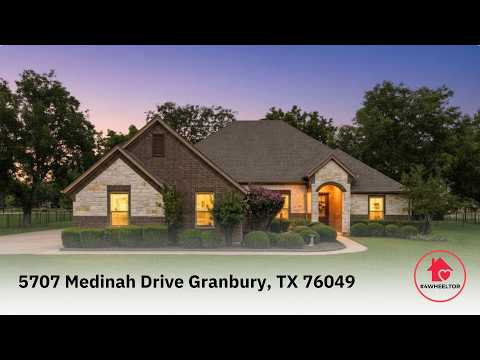
Why Buyers Love Pecan Plantation: Featured Home at 5707 Medinah Drive in Granbury TX

  **UPDATED 6/10/2026** Just Listed Now available in Pecan Plantation, 5707 Medinah Drive offers a rare opportunity to own a beautifully ma...