Wednesday, October 23, 2024

How Much Does It Cost To Sell My House?


If you’re thinking about selling your home, you’ve probably already started wondering, “How much will it cost me?” The truth is, there’s no one-size-fits-all answer. Your final costs will depend on factors like the offer you accept, if you help with your buyer’s closing costs, what repairs you decide to handle, and more. But let me break down some of the typical expenses so you can go into the process with a clearer picture.

The Big Picture: Equity to the Rescue

One thing to keep in mind is that most homeowners today have a significant amount of equity built up in their homes. That equity can offset many of the costs you’ll face when selling, leaving you with a solid profit—and in many cases, enough to put toward your next home. So while selling comes with expenses, the financial gains you’ll likely walk away with can make it well worth it.

Key Costs to Expect

Let’s go over a few common selling costs so you can understand where your money will go and where you might be able to save.

1. Closing Costs and Commission Fees

At the closing table, you’ll have your own closing costs to cover, and you might even contribute to the buyer’s. According to U.S. News Real Estate:

“Sellers can expect to pay 2% to 4% of the sale price of the home in fees and taxes on top of the agent commission. Based on the national median home sale price, this means that closing costs in 2023 for sellers are about $7,740 to $15,480.”

Your closing costs will vary based on local taxes and the commission you agree to with your agent. And don’t forget—there’s a chance you could get a credit back at closing for items like prepaid property taxes or escrow, which can help offset some of these costs.

2. Pre-Listing Inspection and Repairs

A pre-listing inspection is an optional step but can be incredibly helpful. It gives you a heads-up on any issues that could come up later in the buyer’s inspection, allowing you to address them early on and reduce the risk of price negotiations.

If you choose not to go this route, your real estate agent can still offer advice on what updates will give you the best return. This can range from suggesting paint colors to simple repairs that can help maximize your home’s appeal without overextending your budget.

3. Home Staging

As the housing market becomes more competitive, staging can be a great way to make your home stand out. Bankrate notes:

“Home sellers typically pay somewhere between $782 and $2,817 in home staging costs . . . but the price tag can vary widely.”

The good news is that not all staging requires you to rent furniture or spend a lot of money. Your agent can guide you on simple ways to declutter or rearrange what you already have to make your home look its best.

Why Working with an Agent Is a Smart Investment

Sure, some of these costs are optional—but don’t make the mistake of thinking you can skip the most important one: hiring a great real estate agent. A seasoned agent is your secret weapon. Not only can they help with things like staging, pricing, and preparing your home, but their expert marketing and negotiation skills can often lead to a higher sale price.

A top agent will know exactly what buyers are looking for in your area, what repairs or updates are truly necessary, and how to position your home to sell quickly and for top dollar. In other words, their expertise can easily make up for the cost of their commission.

Bottom Line

Selling your home comes with some costs, but your equity can often cover these expenses and still leave you in a great financial position. Let’s chat so I can walk you through what to expect and help you prepare your home for a successful sale. Together, we’ll make sure you’re ready to maximize your return while keeping expenses in check. realtor, best agent, real estate, Southlake, Keller, Haslet, home buyer, home seller, home value, Trophy Club, Fort Worth, new home, house, home selling, seller tips, 4wheeltorhomes, 4wheeltor, Crystal Zschirnt, Westlake, Roanoke, Justin, Northlake, Flower Mound, Argyle, Texas

💾 𝗡𝗼𝘄 | 𝗙𝗼𝗹𝗹𝗼𝘄 𝗳𝗼𝗿 𝗠𝗼𝗿𝗲 | 𝗦𝗵𝗮𝗿𝗲 𝘁𝗵𝗲 𝗞𝗻𝗼𝘄𝗹𝗲𝗱𝗴𝗲

𝗖𝗿𝘆𝘀𝘁𝗮𝗹 𝗭𝘀𝗰𝗵𝗶𝗿𝗻𝘁 | 𝗣𝗿𝗲𝗺𝗶𝗲𝗿 𝗔𝗴𝗲𝗻𝘁 | 𝟴𝟭𝟳-𝟴𝟳𝟰-𝟳𝟲𝟳𝟳 | 𝗖𝗭@𝗥𝗲𝗱𝗳𝗶𝗻.𝗰𝗼𝗺

#DFWRealEstate #DFWRedfin #DFWEliteRealty #DFWHomes #4wheeltor #4wheeltorhomes

Tuesday, October 22, 2024

Winter Home Improvement Ideas for Dallas Fort Worth Homeowners

Winter Home Improvement Ideas for DFW Homeowners

Winter is the perfect season to focus on indoor home improvement projects. The colder weather often keeps us inside, providing a great opportunity to tackle those upgrades and maintenance tasks that can enhance your home's comfort and efficiency. Here are some home improvement ideas for this winter, specifically tailored for the Dallas Fort Worth area:

1. Seal Air Leaks Improving your home's energy efficiency starts with sealing air leaks. This simple task can significantly reduce heating costs. Caulk around windows and doors and add weatherstripping to any drafty areas. This helps keep your home warm in the winter and cool in the summer, essential for Texas' varying climate.

2. Add Insulation Boost your home's insulation to maintain a comfortable indoor temperature year-round. Focus on the attic, walls, and floors to keep the heat in during winter and out during summer. Proper insulation reduces energy bills and enhances overall comfort.

3. Upgrade Your Windows If your windows are old and drafty, consider upgrading to energy-efficient models. New windows not only improve your home's insulation but also reduce noise pollution. Look for ENERGY STAR-rated windows for the best performance.

4. Install a Programmable Thermostat A programmable thermostat can automatically adjust the temperature based on your schedule, ensuring your home is warm when you're there and saving energy when you're not. This upgrade is a simple yet effective way to cut down on energy costs.

5. Update Your Lighting Switch to energy-efficient LED bulbs. They use less energy and last longer than incandescent bulbs, which means savings on your electricity bill and fewer replacements over time. Consider installing dimmer switches to further enhance energy savings and create a cozy atmosphere.

6. Upgrade Your Appliances If your appliances are outdated, consider upgrading to new, energy-efficient models. Modern appliances use less energy and water, lowering your utility bills and reducing your carbon footprint.

7. Improve Indoor Air Quality Winter is an excellent time to focus on indoor air quality. Clean your air ducts, install an air purifier, and use a humidifier to maintain healthy humidity levels. These steps can help reduce the risk of allergies and asthma, creating a healthier living environment.

8. Renovate Your Basement Winter's cooler temperatures make it a great time to work on basement renovations. Transform this space into a functional area such as a home office, rec room, or additional living space. A finished basement can add significant value to your home.

9. Update Your Bathroom Consider a bathroom makeover this winter. Upgrading fixtures, installing a new shower or bathtub, or even a fresh coat of paint can make your bathroom more comfortable and inviting. This can also boost your home's resale value.

10. Paint Your Home Give your interior a fresh look with a new coat of paint. Winter is an excellent time for painting projects since the indoor air is drier, which helps paint dry faster. Choose neutral colors to appeal to a broader range of potential future buyers.

11. Organize Your Home Take advantage of the indoor time to declutter and organize your space. Clear out closets, cabinets, and storage areas. Organizing your home can reduce stress and make your space more efficient and enjoyable.

These winter home improvement projects can help you enhance the comfort, efficiency, and value of your home. Prioritize safety, and if you're not experienced with certain tasks, consider hiring professionals to ensure the work is done correctly and safely.

For more expert tips and personalized advice, contact me today! Let's make your Dallas Fort Worth home the best it can be this winter.


Monday, October 21, 2024

Moving with Pets: 5 Tips to Keep Your Furry Friends Calm and Happy

Moving to a new home is often exciting, but it can also be stressful, especially when pets are involved. While you're busy packing, organizing, and coordinating logistics, your pets may feel anxious and confused. Pets thrive on routine, and a big change like moving can throw their world into chaos.

The good news is, with a little planning, you can make the transition smoother for your furry companions. Here are five top tips to keep your pets calm, happy, and safe during your move.

1. Stick to Their Routine

Pets are creatures of habit, and keeping their routine as normal as possible is one of the best ways to ease their anxiety. If you feed them at a specific time or take them for regular walks, try to maintain these habits throughout the moving process. Consistency will provide comfort amidst the chaos.

Did you know? According to the American Veterinary Medical Association (AVMA), sticking to a routine during stressful events like moving can help reduce anxiety in pets by keeping things familiar and predictable.

2. Create a Safe Space

On moving day, things can get hectic with movers, boxes, and noise. Create a quiet, safe space for your pets by setting aside a room with their favorite toys, bed, and blankets. This will give them a sense of security and help them feel calm while everything is being packed up.

If possible, keep them in this space until the majority of the move is complete. Alternatively, you could consider leaving them with a friend or family member for the day to avoid the stress of moving altogether.

3. Schedule a Vet Visit

Before moving, schedule a visit with your vet to ensure your pet is healthy and up-to-date on vaccinations. If your pet has a tendency to get anxious, ask your vet about calming solutions such as supplements, sprays, or even medication.

Pro tip: According to PetMD, animals can experience travel anxiety, especially if moving long distances. Your vet may recommend solutions such as calming treats or pheromone sprays that mimic the scent of a mother animal, providing a sense of comfort.

4. Pack Their Essentials Last

Keep your pet’s essentials, such as food, water bowls, leash, and favorite toys, packed separately and accessible. This "pet essentials bag" will come in handy for the first few days at your new home, ensuring your pets have everything they need without digging through boxes.

It’s like a mini moving kit just for them—complete with their essentials to help them feel comfortable in the new environment right away.

5. Update Their Information

Don’t forget to update your pet’s ID tags and microchip information with your new address and contact details. In the chaos of moving, it’s easy for pets to get disoriented or accidentally wander off. Ensuring their identification is up to date gives you peace of mind in case they get lost.

Fun fact: According to ASPCA, pets with updated microchip information are significantly more likely to be returned to their owners if lost, with a 38.5% return rate for cats and 52.2% for dogs, compared to much lower rates for those without a microchip.


Final Thoughts

Moving with pets doesn’t have to be stressful. With a bit of extra planning and attention, you can ensure a smooth transition for both you and your furry friends. Whether you're relocating across town or moving to a new city, these tips will help keep your pets calm and happy throughout the process.

Need more advice on how to make your move as stress-free as possible? Feel free to reach out—I’m here to help with all your home buying or selling needs in the Dallas-Fort Worth Metroplex.

Elevating your home buying (or selling) experience—pets included! realtor, best agent, real estate, Southlake, Keller, Haslet, home buyer, home seller, home value, Trophy Club, Fort Worth, new home, house, home selling, seller tips, 4wheeltorhomes, 4wheeltor, Crystal Zschirnt, Westlake, Roanoke, Justin, Northlake, Flower Mound, Argyle, Texas

💾 𝗡𝗼𝘄 | 𝗙𝗼𝗹𝗹𝗼𝘄 𝗳𝗼𝗿 𝗠𝗼𝗿𝗲 | 𝗦𝗵𝗮𝗿𝗲 𝘁𝗵𝗲 𝗞𝗻𝗼𝘄𝗹𝗲𝗱𝗴𝗲

𝗖𝗿𝘆𝘀𝘁𝗮𝗹 𝗭𝘀𝗰𝗵𝗶𝗿𝗻𝘁 | 𝗣𝗿𝗲𝗺𝗶𝗲𝗿 𝗔𝗴𝗲𝗻𝘁 | 𝟴𝟭𝟳-𝟴𝟳𝟰-𝟳𝟲𝟳𝟳 | 𝗖𝗭@𝗥𝗲𝗱𝗳𝗶𝗻.𝗰𝗼𝗺

#DFWRealEstate #DFWRedfin #DFWEliteRealty #DFWHomes #4wheeltor #4wheeltorhomes

Home Values Rise Even as Median Prices Fall

 
Recent headlines are buzzing about how the median asking price of homes is lower than last year, and that’s causing some confusion. As a buyer or seller, it’s easy to assume that means home prices are dropping, but here’s the thing—the numbers don’t tell the full story.

Nationally, home values are actually rising, even if the median price is down a bit. So, let’s break this down so you can understand what’s really going on without getting caught up in all the media noise.

Homes on the Market Right Now Are Smaller

The main reason for the dip in the median price is the size of homes currently for sale. The median price represents the middle point of all listed homes, and that’s influenced by the mix of homes on the market at any given time.

Here’s an easy way to explain it. Imagine you have three coins: one nickel and two dimes. If you line them up, the median value is 10 cents. But if you have two nickels and one dime, the median value becomes five cents. The value of each coin didn’t change—it’s just the mix that’s different.

Right now, we’re seeing more smaller, less expensive homes on the market, and that’s pulling the overall median price down. But that doesn’t mean home values are declining.

As Danielle Hale, Chief Economist at Realtor.com, puts it:

“The share of inventory of smaller and more affordable homes has grown, which helps hold down the median price even as per-square-foot prices grow further.”

In other words, the price per square foot is what really tells the story.

Price Per Square Foot Is Still Rising

A more reliable way to measure home values is by looking at the price per square foot. This shows how much buyers are paying for space in the home, regardless of its size.

While the median asking price might drop due to more smaller homes being listed, the price per square foot data reveals that home values are still climbing. Ralph McLaughlin, Senior Economist at Realtor.com, explains:

“When a change in the mix of inventory toward smaller homes is accounted for, the typical home listed this year has increased in asking price compared with last year.”

This means that even though smaller homes are skewing the median price, the average value of a home is still on the rise.

Home Appreciation Remains Strong

According to the Federal Housing Finance Agency (FHFA), home values have been appreciating steadily since 2012. So, while the headlines might make it seem like home prices are crashing, that’s not the case. Values are still going up nationally, just at a more moderate pace.

But remember, real estate is local. While national trends provide a broad view, your local market might tell a different story. That’s where a trusted real estate agent comes in—someone who can give you up-to-date insights on what’s happening in your area.

Bottom Line

The decrease in the median price you’re hearing about is not the same as a decrease in home values. It’s mostly due to more smaller, affordable homes hitting the market. The key thing to pay attention to is price per square foot, which gives you a better sense of overall value—and those prices are still climbing.

If you have questions about home prices in our area or want to know how your home fits into the market, reach out. I’m here to help you navigate the market with clarity and confidence! realtor, best agent, real estate, Southlake, Keller, Haslet, home buyer, home seller, home value, Trophy Club, Fort Worth, new home, house, home selling, seller tips, 4wheeltorhomes, 4wheeltor, Crystal Zschirnt, Westlake, Roanoke, Justin, Northlake, Flower Mound, Argyle, Texas

💾 𝗡𝗼𝘄 | 𝗙𝗼𝗹𝗹𝗼𝘄 𝗳𝗼𝗿 𝗠𝗼𝗿𝗲 | 𝗦𝗵𝗮𝗿𝗲 𝘁𝗵𝗲 𝗞𝗻𝗼𝘄𝗹𝗲𝗱𝗴𝗲

𝗖𝗿𝘆𝘀𝘁𝗮𝗹 𝗭𝘀𝗰𝗵𝗶𝗿𝗻𝘁 | 𝗣𝗿𝗲𝗺𝗶𝗲𝗿 𝗔𝗴𝗲𝗻𝘁 | 𝟴𝟭𝟳-𝟴𝟳𝟰-𝟳𝟲𝟳𝟳 | 𝗖𝗭@𝗥𝗲𝗱𝗳𝗶𝗻.𝗰𝗼𝗺

#DFWRealEstate #DFWRedfin #DFWEliteRealty #DFWHomes #4wheeltor #4wheeltorhomes


Sunday, October 13, 2024

Secrets To Selling Your House Quickly


Watching your home sit on the market without much interest can be beyond frustrating. Unfortunately, it’s a reality some sellers are facing today. But don’t worry—there’s a solution.

According to recent data from the National Association of Realtors (NAR), the average time a house spends on the market has increased in recent years (see graph below). A report from Realtor.com echoes this, stating:

“During the week ending Sept. 14, homes stayed on the market eight days longer compared to last year. With more choices available and mortgage rates expected to fall, buyers are taking their time, which means sellers will need to be patient and flexible.”

With higher inventory and fluctuating mortgage rates, buyers are moving cautiously. And while some of this is out of your control, one thing remains within your power: working with the right real estate agent.

Here’s the truth—when you partner with an experienced agent who understands the current market and has a clear strategy, your house can still sell quickly, even in a slower market.

The Key to Selling Fast in Today’s Market

If selling your home quickly is a priority, you need an agent who knows how to position your home in a market that’s constantly shifting. A great agent will guide you through essential steps to make your home stand out and attract buyers quickly. Here’s how:

1. Competitive Pricing

One of the most critical factors in selling your home fast is pricing it right. Overpricing your home, especially in today’s market, can slow everything down. A good agent will conduct a competitive market analysis (CMA), reviewing recent sales and active listings to help you set the right price from the get-go.

Strategic pricing is everything. As U.S. News highlights, setting the price too high from the start can be detrimental:

“Setting an unrealistically high price with the idea that you can come down later doesn’t work in real estate . . . A home that’s overpriced in the beginning tends to stay on the market longer, even after the price is cut, because buyers think there must be something wrong with it.”

2. The Home’s Condition

First impressions matter—big time. Homes that are well-maintained, have strong curb appeal, and feature modern updates tend to sell faster. Working with an experienced agent means you’ll get expert advice on what upgrades and repairs will have the biggest impact.

Ramsey Solutions notes the importance of addressing issues before listing:

“In the spirit of selling your home fast, take care of things now that will be a problem in the closing process. Talk to your agent about fixes you’ll need to make to pass the home inspection, like plumbing problems, roof damage, electrical issues, HVAC glitches . . . You might as well get ahead of the game to help your home sell faster.”

3. Incentives and Extras

In a market where buyers have more options, adding value to your home through incentives can make a difference. Whether it’s offering to help with closing costs, including appliances, or adding a home warranty, these extras can sweeten the deal and move the needle for interested buyers. Your agent will know exactly what incentives will resonate with buyers based on current market trends.

Bottom Line

In today’s real estate market, selling fast requires more than just listing your home—it takes the right strategy, market knowledge, and a focus on what buyers are looking for. Partnering with an experienced local agent is essential to ensure you’re not leaving money on the table and your home isn’t sitting too long on the market.

As Forbes wisely points out:

“When time is of the essence, you can’t afford to take a chance on an inexperienced housing professional. Instead, you’ll want to work with a real estate agent who knows your market and has helped sellers in your situation before.”

Let’s connect and make sure your home is set up for success. Whether you're selling in a week or in a few months, I’m here to help you make the right moves to get top dollar. realtor, best agent, real estate, Southlake, Keller, Haslet, home buyer, home seller, home value, Trophy Club, Fort Worth, new home, house, home selling, seller tips, 4wheeltorhomes, 4wheeltor, Crystal Zschirnt, Westlake, Roanoke, Justin, Northlake, Flower Mound, Argyle, Texas

💾 𝗡𝗼𝘄 | 𝗙𝗼𝗹𝗹𝗼𝘄 𝗳𝗼𝗿 𝗠𝗼𝗿𝗲 | 𝗦𝗵𝗮𝗿𝗲 𝘁𝗵𝗲 𝗞𝗻𝗼𝘄𝗹𝗲𝗱𝗴𝗲

𝗖𝗿𝘆𝘀𝘁𝗮𝗹 𝗭𝘀𝗰𝗵𝗶𝗿𝗻𝘁 | 𝗣𝗿𝗲𝗺𝗶𝗲𝗿 𝗔𝗴𝗲𝗻𝘁 | 𝟴𝟭𝟳-𝟴𝟳𝟰-𝟳𝟲𝟳𝟳 | 𝗖𝗭@𝗥𝗲𝗱𝗳𝗶𝗻.𝗰𝗼𝗺

#DFWRealEstate #DFWRedfin #DFWEliteRealty #DFWHomes #4wheeltor #4wheeltorhomes


Wednesday, October 9, 2024

Two Reasons Why the Housing Market Won’t Crash


You may have heard some recent chatter about the economy, and even concerns about a possible recession. When this kind of news starts circulating, it’s no surprise that people begin to worry about another housing market crash. If that’s you, take a deep breath—there’s no need to panic. The housing market is in a much different place today than it was in 2008.

Real estate expert Michele Lerner explains it well:

“A housing market crash happens when home values plummet due to a lack of demand for homes or an oversupply.”

With that in mind, here are two solid reasons why a crash is not on the horizon.


1. Demand for Homes Is Higher than Supply

One of the primary reasons the housing market crashed back in 2008 was due to an oversupply of homes. There were simply too many homes and not enough buyers, which drove prices down fast. Today, the story is very different.

It’s typically accepted that a balanced housing market has about a six-month supply of homes available. That means supply and demand are even. A supply above six months means there’s an oversupply, which can drive prices down, while a lower supply means demand exceeds supply, which keeps prices stable or even pushes them up.

Check out the chart below to see the big difference between then and now:

As you can see, the lead-up to the 2008 financial crisis had an oversupply of 13 months—more than double what’s considered balanced! Today’s market, on the other hand, has just 4.2 months of supply. In simple terms, there are more people wanting to buy homes than there are homes available. This keeps prices from plummeting, unlike in a housing crash.

It’s important to remember that inventory levels vary by location. Some markets might be more balanced, while others still face shortages. Lawrence Yun, Chief Economist at the National Association of Realtors (NAR), points out:

“We simply don’t have enough inventory. Will some markets see a price decline? Yes. [But] with the supply not being there, the repeat of a 30 percent price decline is highly, highly unlikely.”


2. Unemployment Is Still Low

Another big factor behind the 2008 housing crash was the spike in unemployment. When people lose their jobs, they may struggle to make mortgage payments, leading to foreclosures, distressed sales, and falling home prices. Thankfully, we’re in a much better place today when it comes to employment.

Take a look at the chart below for a clearer picture of unemployment rates now compared to 2008:

Back during the 2008 crisis, unemployment soared to 8.3%, creating financial strain on many households. The 75-year average is around 5.7%, but today, we’re sitting at a much healthier 4.1%. People are working, earning, and able to make their mortgage payments, which significantly reduces the risk of foreclosures and distressed sales that were so prevalent during the last crash.


The Housing Market Today vs. 2008: A Vast Difference

While it’s normal to be cautious when you hear talk of economic uncertainty or a possible recession, today’s housing market is much stronger and more stable than it was in 2008. As Rick Sharga, Founder and CEO at CJ Patrick Company, puts it:

“Literally everything is different about today’s housing market dynamics than the conditions that led to the housing crisis.”

The combination of high demand and limited supply, along with low unemployment, makes a housing market crash highly unlikely anytime soon.


Bottom Line

The housing market is in a much healthier place than it was during the 2008 crash, but remember, real estate is local. Some markets may see slight declines, while others remain steady or continue to grow.

If you’re curious about how these factors are playing out in our specific market, or if you want to discuss your real estate goals, feel free to reach out. At DFW Elite Realty Group, we’re here to provide guidance and to help elevate your home buying (or selling) experience every step of the way. realtor, best agent, real estate, Southlake, Keller, Haslet, home buyer, home seller, home value, Trophy Club, Fort Worth, new home, house, home selling, seller tips, 4wheeltorhomes, 4wheeltor, Crystal Zschirnt, Westlake, Roanoke, Justin, Northlake, Flower Mound, Argyle, Texas

💾 𝗡𝗼𝘄 | 𝗙𝗼𝗹𝗹𝗼𝘄 𝗳𝗼𝗿 𝗠𝗼𝗿𝗲 | 𝗦𝗵𝗮𝗿𝗲 𝘁𝗵𝗲 𝗞𝗻𝗼𝘄𝗹𝗲𝗱𝗴𝗲

𝗖𝗿𝘆𝘀𝘁𝗮𝗹 𝗭𝘀𝗰𝗵𝗶𝗿𝗻𝘁 | 𝗣𝗿𝗲𝗺𝗶𝗲𝗿 𝗔𝗴𝗲𝗻𝘁 | 𝟴𝟭𝟳-𝟴𝟳𝟰-𝟳𝟲𝟳𝟳 | 𝗖𝗭@𝗥𝗲𝗱𝗳𝗶𝗻.𝗰𝗼𝗺

#DFWRealEstate #DFWRedfin #DFWEliteRealty #DFWHomes #4wheeltor #4wheeltorhomes

Monday, October 7, 2024

Should You Sell or Rent Your Home? Key Considerations for Dallas Fort Worth Homeowners

Deciding what to do with your home when you're ready to move can be a significant and complex decision. Should you sell your home and use the proceeds for your next venture, or keep it as a rental property to build long-term wealth? This is a question many homeowners face, especially in the dynamic real estate markets of Southlake, Fort Worth, Haslet, Keller, and the broader Dallas-Fort Worth metroplex. Whether you're considering the potential income from renting or concerned about the responsibilities of being a landlord, there are several factors to weigh.

Let's explore some key questions to consider to help you make the best decision for your situation.

Is Your House a Good Fit for Renting?

Before diving into the rental market, it's crucial to assess whether your home is suitable for renting. Here are some considerations:

  • Location: Consider whether your home is in a desirable rental area. Homes in neighborhoods with high demand for rentals, such as those near major highways, shopping centers, and reputable schools, tend to attract more tenants and offer better rental returns. In the DFW metroplex, areas like Keller and Southlake are popular for their amenities and community features.

  • Maintenance Logistics: If you’re relocating far away, managing ongoing maintenance and tenant issues can be challenging. Being a remote landlord requires extra planning and potentially hiring a property manager, which can add to your costs.

  • Condition of the Property: Evaluate whether your home needs significant repairs or upgrades before it can be rented out. If your house requires substantial work, selling might be the more financially prudent option.

If any of these factors are concerning, selling could be the best path forward.

Are You Prepared for the Realities of Being a Landlord?

Becoming a landlord involves more than just collecting rent checks. It’s a commitment that requires time, patience, and a readiness to handle unexpected situations. Here’s what to consider:

  • Tenant Management: You might receive maintenance calls at inconvenient times or have tenants who fall behind on payments. Being prepared to handle such scenarios is essential.

  • Potential Damages: Tenants might cause damage that you’ll need to repair before leasing to the next tenant. This can be both time-consuming and costly.

  • Financial Challenges: Dealing with vacancies or tenants breaking leases can impact your rental income.

Investopedia warns that landlords can face more headaches than profits if they're not fully prepared for the challenges. Engaging with other landlords and conducting a detailed cost analysis can provide valuable insights.

Do You Understand the Costs Involved?

While renting out your home can provide a steady income stream, it's important to understand the additional expenses you may incur. Here are some costs to consider:

  • Mortgage and Property Taxes: You’ll continue to be responsible for these payments, even if your rental income doesn’t cover the full amount.

  • Insurance: Landlord insurance is necessary to protect against potential damages and liabilities but can cost about 25% more than standard homeowners insurance.

  • Maintenance and Repairs: Plan to spend at least 1% of the home’s value annually on maintenance, with more required for older homes.

  • Finding Tenants: Advertising, background checks, and tenant screening all involve costs.

  • Vacancies: Periods without tenants mean a loss of rental income, which needs to be factored into your budget.

  • Management Fees: Hiring a property manager can alleviate some burdens, but they typically charge around 10% of the monthly rent. If your home is part of a homeowners association (HOA), additional fees will apply.

According to the National Association of Realtors (NAR), nearly 80% of homeowners underestimate the costs associated with managing rental properties. Understanding these costs is essential for making an informed decision about renting out your home.

Bottom Line

Deciding whether to sell or rent your home is a deeply personal decision that hinges on your unique circumstances and financial goals. Both options have their benefits and drawbacks, and it's crucial to evaluate these carefully. Whether you're selling your home in a competitive market like Fort Worth or exploring rental opportunities in Haslet, taking the time to assess your options will help you make the best choice for your future.


At DFW Elite Realty, we understand that navigating these decisions can be overwhelming. Our team is here to provide expert advice and support, ensuring you feel informed and confident as you make your choice. Whether you’re buying, selling, or considering renting out your property, contact us today for personalized assistance tailored to your needs. Let's work together to achieve your real estate goals in the thriving DFW real estate market. realtor, best agent, real estate, Southlake, Keller, Haslet, home buyer, home seller, home value, Trophy Club, Fort Worth, new home, house, home selling, seller tips, 4wheeltorhomes, 4wheeltor, Crystal Zschirnt, Westlake, Roanoke, Justin, Northlake, Flower Mound, Argyle, Texas

💾 𝗡𝗼𝘄 | 𝗙𝗼𝗹𝗹𝗼𝘄 𝗳𝗼𝗿 𝗠𝗼𝗿𝗲 | 𝗦𝗵𝗮𝗿𝗲 𝘁𝗵𝗲 𝗞𝗻𝗼𝘄𝗹𝗲𝗱𝗴𝗲

𝗖𝗿𝘆𝘀𝘁𝗮𝗹 𝗭𝘀𝗰𝗵𝗶𝗿𝗻𝘁 | 𝗣𝗿𝗲𝗺𝗶𝗲𝗿 𝗔𝗴𝗲𝗻𝘁 | 𝟴𝟭𝟳-𝟴𝟳𝟰-𝟳𝟲𝟳𝟳 | 𝗖𝗭@𝗥𝗲𝗱𝗳𝗶𝗻.𝗰𝗼𝗺

#DFWRealEstate #DFWRedfin #DFWEliteRealty #DFWHomes #4wheeltor #4wheeltorhomes

How Being Part of the Sandwich Generation Can Help You Buy a Home

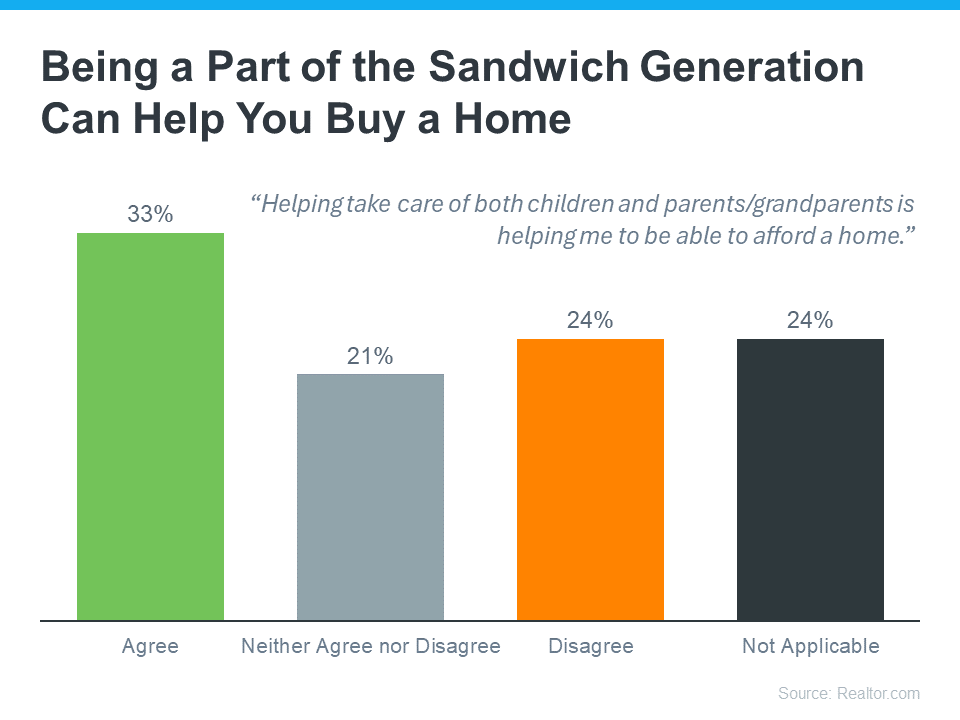
Are you part of the Sandwich Generation? This term, coined by Realtor.com, refers to the one in six Americans who are simultaneously caring for their children and their aging parents or grandparents. While juggling these responsibilities can be challenging, there is a significant upside: it can make buying a home more achievable.

Let's explore how being part of the Sandwich Generation can actually benefit you in the home-buying process.

How Can It Help You Buy a Home?

Realtor.com conducted a survey asking members of the Sandwich Generation if their caregiving responsibilities have impacted their ability to afford a home. Interestingly, a third of respondents agreed that their situation made it easier to buy a home. Here’s how:

No Caption ReceivedSharing Expenses

One of the biggest advantages of living in a multi-generational household is the ability to share expenses. When you pool resources and split costs, your financial burden is significantly reduced. For example:

  • Contributing to the Mortgage: Your parents or grandparents might help pay the mortgage or cover other bills, easing the financial strain on your household.

  • Affording a Larger Home: Combining incomes may allow you to afford a larger home than you could on your own. This is especially valuable in competitive real estate markets like Fort Worth, Southlake, and Haslet, where larger homes can better accommodate extended family living arrangements.

Supporting Data:

According to the National Association of Realtors (NAR), multi-generational homes account for about 15% of home purchases, with financial considerations being a key motivator. The ability to share living costs is a major factor driving this trend.

Built-In Childcare

Another advantage of multi-generational living is built-in childcare. Having grandparents at home can save you significant money on daycare costs:

  • Saving on Childcare Costs: Grandparents can help look after your children while you’re at work, reducing or eliminating the need for expensive daycare services.

  • Flexibility and Peace of Mind: Knowing your children are cared for by family members provides peace of mind and allows for greater flexibility in your schedule.

Additional Benefits of Multi-Generational Living

Beyond financial reasons, buying a multi-generational home offers several other advantages. The NAR's Profile of Home Buyers and Sellers highlights some of these benefits:

Easier Care for Aging Parents

Living with aging parents makes it more convenient to provide care and support. Being in the same household ensures your parents receive the attention they need, and it also enhances their well-being:

  • Improved Well-being: Elderly family members often experience increased happiness and health due to more social interaction and a sense of connectedness.

  • Convenience: Providing care is more manageable when you’re under the same roof, reducing stress and improving quality of life for everyone involved.

Spending More Time Together

Multi-generational living allows families to spend more time together, fostering closer relationships and creating lasting memories:

  • Quality Time: Shared living spaces encourage family bonding and create opportunities for shared activities and traditions.

  • Emotional Support: Being surrounded by loved ones offers emotional support and strengthens family ties.

A report from The Mortgage Reports states that buying a house with your parents can ease caregiving responsibilities, support young children, and bring families closer together. It also makes homeownership more affordable, especially given the steep rise in home prices over recent years.

How a Real Estate Agent Can Help

If you’re part of the Sandwich Generation and considering purchasing a multi-generational home, working with a local real estate agent is essential. Here’s how an agent can assist you:

  • Understanding Your Needs: An experienced agent will take the time to understand the unique needs of your family, ensuring that your new home accommodates everyone comfortably.

  • Finding the Right Property: Agents have extensive knowledge of the local market and can help you identify properties that offer the right amount of space and amenities for multi-generational living.

  • Navigating Complexities: Buying a home for multiple generations involves complexities, and a skilled agent can guide you through the process, making it smoother and more efficient.

Bottom Line

Being part of the Sandwich Generation comes with its challenges, but it also offers a unique advantage: the potential to make homeownership more attainable. By sharing expenses and resources, you can afford a home that suits your family’s needs. If you’re exploring your options, let’s connect. At DFW Elite Realty, we’re here to provide expert guidance and support in finding the perfect multi-generational home in Southlake, Fort Worth, Keller, and beyond.


Whether you're buying, selling, or seeking real estate advice, contact us today for personalized assistance in the DFW real estate market. Let's work together to achieve your real estate goals and create a home that meets the needs of your entire family. realtor, best agent, real estate, Southlake, Keller, Haslet, home buyer, home seller, home value, Trophy Club, Fort Worth, new home, house, home selling, seller tips, 4wheeltorhomes, 4wheeltor, Crystal Zschirnt, Westlake, Roanoke, Justin, Northlake, Flower Mound, Argyle, Texas

💾 𝗡𝗼𝘄 | 𝗙𝗼𝗹𝗹𝗼𝘄 𝗳𝗼𝗿 𝗠𝗼𝗿𝗲 | 𝗦𝗵𝗮𝗿𝗲 𝘁𝗵𝗲 𝗞𝗻𝗼𝘄𝗹𝗲𝗱𝗴𝗲

𝗖𝗿𝘆𝘀𝘁𝗮𝗹 𝗭𝘀𝗰𝗵𝗶𝗿𝗻𝘁 | 𝗣𝗿𝗲𝗺𝗶𝗲𝗿 𝗔𝗴𝗲𝗻𝘁 | 𝟴𝟭𝟳-𝟴𝟳𝟰-𝟳𝟲𝟳𝟳 | 𝗖𝗭@𝗥𝗲𝗱𝗳𝗶𝗻.𝗰𝗼𝗺

#DFWRealEstate #DFWRedfin #DFWEliteRealty #DFWHomes #4wheeltor #4wheeltorhomes


Why Buyers Love Pecan Plantation: Featured Home at 5707 Medinah Drive in Granbury TX

  **UPDATED 6/10/2026** Just Listed Now available in Pecan Plantation, 5707 Medinah Drive offers a rare opportunity to own a beautifully ma...