
Tuesday, June 25, 2024

How Long Will It Take To Sell My House?

You want your house to sell fast. And you may be wondering how long the whole process is going to take. One way to get your answer? Work with a local real estate agent.

They have the expertise to tell you how quickly homes are selling in your area and what’s impacting timelines for other sellers. That way you have realistic expectations and can work together to come up with a plan that’s based on today’s market.

Here’s a high-level overview of just one of the factors a great agent will walk you through – the supply of homes for sale and how that impacts your process.

The Growing Supply of Homes for Sale

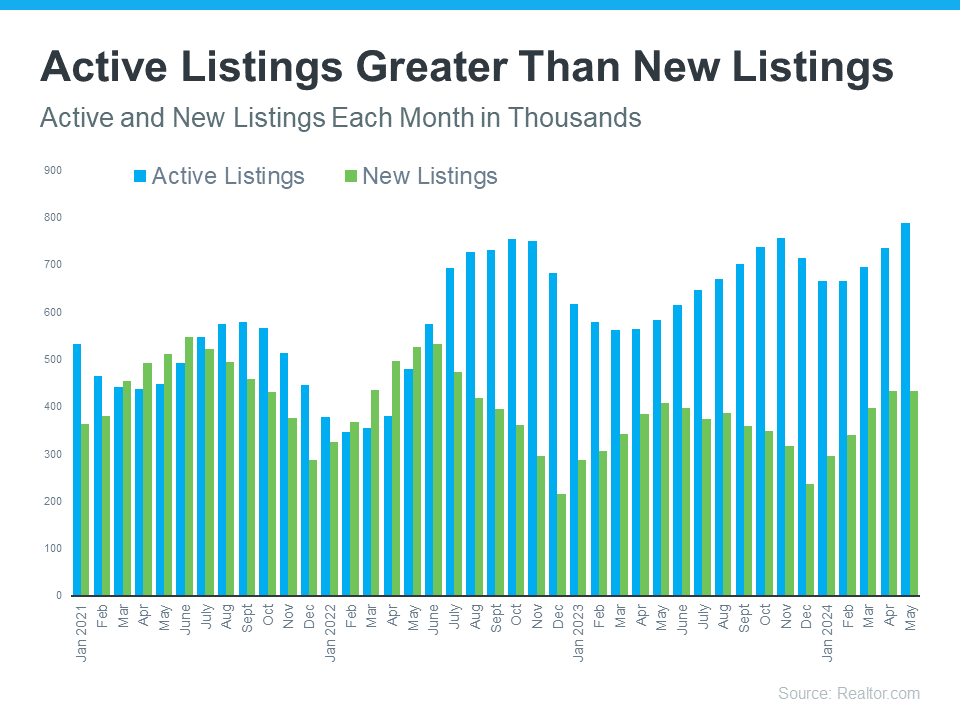
Over the past few months, the number of homes for sale has increased. This is good news when you move because it means you’ll have more options as you search for your next home. But it also means buyers have more to choose from, so if your house doesn’t stand out – it may take a bit longer to sell.

Available inventory is made up of new listings (homes that were just put up for sale) and active listings (homes that were already on the market but haven’t sold yet). And if you look at data from Realtor.com you can see a good portion of the recent growth is from active listings that are sticking around (see the blue bars in the graph below):
How It’s Impacting Listings Today

Think of the homes on the market like loaves of bread for sale in a bakery. When a fresh batch of bread is put out, everyone wants the newest and hottest one. But if a loaf sits there too long, it starts to get stale, and fewer people want to buy it.

The same goes for homes. New listings are the freshest and most sought-after. But if a home isn’t priced correctly, doesn’t show well, or it doesn’t have an effective sales or marketing strategy behind it, it can sit on the market and become less appealing to buyers over time.

An Agent Will Help Your House Stand Out and Sell Quickly

Timing is important to you. You want to get this done, fast. By leaning on a pro, they’ll make sure your listing is fresh and doesn’t stick around long enough to go stale. As the National Association of Realtors (NAR) explains:

Home sellers without an agent are nearly twice as likely to say they didn’t accept an offer for at least three months; 53% of sellers who used an agent say they accepted an offer within a month of listing their home.”

Your agent will factor the recent inventory growth into their plan and create a customized selling strategy for your house. The supply of homes for sale can vary a lot by area. So they’ll do things like share their valuable insights into what’s happening with supply in your market, help you price your home correctly, and create a marketing plan that gets your home noticed.

Don’t let your listing get stale—reach out to a real estate agent today to make sure your listing is fresh and appeals to buyers from the start. It makes a big difference. 

Bottom Line

If you want your house to sell fast, you need to work with a pro. Let’s connect so you’ve got someone who understands the current market trends and how to build a strategy around those factors, so your house is set up to sell quickly.

Monday, June 24, 2024

The Crucial Pre-Approval Process for Home Buyers in the DFW Area

The Crucial Pre-Approval Process for Home Buyers in the DFW Area

The pre-approval process is a crucial step in the home-buying journey, especially in competitive markets like Dallas Fort Worth. This process involves a lender evaluating your financial situation to determine the amount they are willing to lend for a mortgage. A pre-approval gives you a clear idea of your budget when house hunting and demonstrates to sellers that you are a serious buyer.

Here’s an overview of the pre-approval process:

Gather Your Financial Documents:

You’ll need to provide documentation to prove your financial stability. This typically includes:

  • Proof of identity (driver’s license, passport, etc.).
  • Proof of income (pay stubs, W-2 forms, tax returns) for the past couple of years.
  • Proof of assets (bank statements, retirement account statements).
  • Proof of employment (employer contact information, recent pay stubs).
  • Information about your debts (credit card statements, loans).

Choose a Lender:

Research and select a reputable lender or mortgage broker. Options include traditional banks, credit unions, or online mortgage lenders. Working with a lender familiar with the DFW market can be advantageous.

Submit an Application:

Fill out a mortgage application with your chosen lender. This application will include details about the property you intend to buy, your financial information, and your employment history.

Credit Check:

The lender will run a credit check to assess your creditworthiness. Your credit score will play a significant role in determining the interest rate and terms of your potential mortgage.

Lender Review:

The lender’s underwriting team will review your application, financial documents, and credit history. They will assess your ability to repay the loan based on your income, assets, debts, and credit score.

Verification and Documentation:

The lender may request additional documentation or clarification on certain aspects of your application. Promptly provide any requested documents to keep the process moving smoothly.

Pre-Approval Letter:

Once your application has been reviewed and approved, the lender will provide you with a pre-approval letter. This letter outlines the amount you’re pre-approved to borrow, the interest rate, and any conditions that need to be met.

Time to Shop for a Home:

Armed with your pre-approval letter, you can confidently start house hunting within your budget. Sellers will take your pre-approval seriously, as it demonstrates your ability to secure financing.

It’s important to note that pre-approval is not a guarantee of a mortgage loan. It’s based on preliminary information and is subject to final approval once you’ve chosen a specific property. Also, keep in mind that the pre-approval process may vary slightly between lenders and regions. Obtaining multiple pre-approval letters from different lenders within a short period can impact your credit score, so it’s generally best to research lenders and choose one to work with initially.

For those navigating the Dallas Fort Worth real estate market, understanding and securing a pre-approval can provide a significant advantage. If you have any questions or need lender recommendations, please don’t hesitate to reach out! #DFWRealEstate #HomeBuyingTips #MortgagePreApproval #DallasFortWorthHomes #HomeBuyingProcess #DFWHomeBuyers

Feel free to contact me for any personalized advice or recommendations tailored to your specific needs in the DFW area. Happy house hunting! 🏡📋💼

Tuesday, June 18, 2024

The Do’s and Don’ts of House Hunting in the Dallas Fort Worth Area

The Do’s and Don’ts of House Hunting in the Dallas Fort Worth Area

House hunting can be an exhilarating yet challenging process, especially in the competitive Dallas Fort Worth real estate market. To ensure you make the right decision and find your dream home, it’s important to know the do’s and don’ts of the process. Here are some essential tips to guide you through your home-buying journey in the DFW area.

The Do’s:

Do Prioritize Your Must-Haves:
Identify your non-negotiable features and amenities, such as the number of bedrooms, location, proximity to work, schools, and public transportation. This will help you narrow down your search effectively and focus on homes that meet your essential criteria.

Do Set a Realistic Budget:
Establish a clear budget that takes into account not only the purchase price but also potential maintenance costs, property taxes, and homeowners’ association fees. Stick to this budget to avoid financial strain and ensure long-term stability.

Do Research the Neighborhood:
Investigate the neighborhood’s safety, amenities, local services, and future development plans. Visit the area during different times of the day to get a complete sense of its atmosphere. Areas like Southlake, Keller, and Trophy Club each have their unique charms and should be thoroughly explored.

Do Work with a Real Estate Agent:
Enlist the help of a professional real estate agent who understands your preferences and can provide insights about the local market. Their expertise can save you time, money, and stress. An agent familiar with the DFW area can offer invaluable advice on neighborhoods, schools, and market trends.

Do Attend Open Houses and Tours:
Attend open houses and schedule property tours. This hands-on approach allows you to experience the property firsthand, helping you make a well-informed decision. It also gives you the opportunity to ask questions and get a feel for the home’s layout and condition.

Do Inspect Thoroughly:
Carefully inspect the property’s condition, including plumbing, electrical systems, roof, foundation, and appliances. Don’t hesitate to ask questions about any concerns you may have. A thorough inspection can save you from unexpected repair costs in the future.

Do Take Photos and Notes:
Document each property you visit with photos and notes. This will help you remember key details and compare properties later on. Having a visual and written record can assist in making a final decision.

The Don’ts:

Don’t Overlook Future Needs:
While considering your current needs, also think about potential future changes such as family expansion, job changes, and lifestyle shifts. A home should accommodate both your present and future needs.

Don’t Rush the Decision:
Avoid making hasty decisions. Take your time to thoroughly research and assess each property before committing. Patience can lead to finding the perfect match.

Don’t Overextend Financially:
Falling in love with a property that’s beyond your budget can lead to financial stress. Stick to your predetermined budget to ensure a comfortable and stable financial situation.

Don’t Ignore Inspection Results:
If an inspection reveals significant issues, don’t ignore them in the hopes of a quick fix. Assess the extent of the repairs needed and consider whether you’re willing to take on that responsibility.

Don’t Neglect Location:
A beautiful home in an undesirable location may not be the best investment. Research the neighborhood thoroughly to ensure it aligns with your lifestyle and preferences.

Don’t Disregard Resale Value:
Even if you plan to stay in the home long-term, consider its potential resale value. Trends and preferences change, and a property with good resale potential can be a smart investment.

House hunting is a significant undertaking, and the decisions you make during this process can impact your life for years to come. By following these do’s and don’ts, you’ll be better equipped to find a home that meets your needs, suits your budget, and brings you joy for years to come. As always, I’m here to assist in any way I can!

Remember, patience and thorough research are your greatest allies in this exciting journey. Happy house hunting in the Dallas Fort Worth area! 🏡 

Friday, June 14, 2024

Selling Your Home: A Step-by-Step Guide for Beginners

Selling Your Home: A Step-by-Step Guide for Beginners

Selling your home, especially for the first time, can feel overwhelming. However, with a clear plan and understanding of the process, you can navigate this journey successfully. Here’s a comprehensive guide to help you through each stage of selling your home in the Fort Worth and surrounding areas, ensuring a smooth and successful sale.

Step 1: Determine Your Goals and Timeline

Before starting, clarify your reasons for selling and your timeline. Are you looking to downsize, upgrade, or relocate? Knowing your goals will help you make informed decisions and set realistic expectations throughout the selling process.

Step 2: Research the Market

Understanding the current real estate market in your area is crucial. Use resources like Redfin, Zillow, and Realtor.com to analyze recent sales, property values, and market trends in Fort Worth, Keller, Haslet, Justin, Roanoke, Trophy Club, Southlake, and Westlake. This knowledge will help you set a competitive asking price.

Step 3: Prepare Your Home for Sale

First impressions matter. Start by decluttering and depersonalizing your space to create a neutral environment where potential buyers can envision themselves. Make necessary repairs and consider upgrades that enhance your home’s appeal. Address any issues that could come up during inspections to avoid surprises later.

Step 4: Set the Right Price

Pricing your home accurately is essential. Conduct a Comparative Market Analysis (CMA) with your real estate agent to determine the fair market value of your home. Consider factors like location, size, condition, and recent sales of similar homes. Pricing your home correctly can attract more buyers and potentially lead to multiple offers.

Step 5: Market Your Property

A well-marketed home reaches more potential buyers. Create a compelling listing with high-quality photos and detailed descriptions highlighting key selling points. Utilize online platforms like social media, real estate websites, and local listing services. Don’t forget traditional methods like signage and open houses to broaden your reach.

Step 6: Show Your Home

Make your home available for showings and open houses. Keep it clean, organized, and inviting. Staging can help showcase your home’s potential and allow buyers to visualize themselves living there. Flexibility with scheduling showings can accommodate more potential buyers.

Step 7: Negotiate Offers

When offers come in, review each carefully with your real estate agent. Consider the price, contingencies, and terms of sale. Be prepared to negotiate to reach a mutually beneficial agreement. You may need to counteroffer or negotiate repairs based on the home inspection results.

Step 8: Close the Sale

Once you’ve accepted an offer, work closely with your agent to navigate the closing process. Complete all necessary paperwork and provide requested documentation. Coordinate with the buyer’s lender and closing agent to finalize the sale. Attend the closing meeting to sign the final documents and transfer ownership.

Conclusion

Selling your home in the Dallas-Fort Worth area can be a rewarding experience with the right preparation and guidance. By following these steps and working with a knowledgeable real estate professional, you can achieve a successful sale and move forward with your real estate goals. Ready to sell? Contact me today to get started on your journey to a successful home sale!


Wednesday, June 12, 2024

Navigating the Home Buying Journey: Where to Start

Navigating the Home Buying Journey: Where to Start

Few experiences rival the exhilaration and anticipation of buying your first home. Yet, for many, the prospect can be daunting, even overwhelming. From navigating finances to understanding the housing market, there’s a myriad of considerations to ponder. So, if you find yourself asking, “Where should I start if I want to buy a home?” – fear not, for this guide aims to illuminate your path toward homeownership.

Assess Your Financial Readiness

Before delving into property listings, it’s crucial to assess your financial situation. Start by evaluating your savings, income, and existing debts. Calculate your debt-to-income ratio to determine how much you can afford to borrow. Remember, lenders typically prefer a ratio below 43%. Additionally, saving for a down payment is paramount. While conventional wisdom suggests 20%, many programs offer options with lower down payments, such as FHA loans (3.5%) or VA loans (0% for eligible veterans).

Get Pre-Approved for a Mortgage

Securing pre-approval for a mortgage should be your next step. This involves submitting financial documentation to a lender who will assess your creditworthiness and determine the loan amount you qualify for. Pre-approval not only provides a clear budget but also demonstrates your seriousness to sellers, potentially giving you an edge in competitive markets.

Define Your Housing Needs and Preferences

Consider your lifestyle, preferences, and future plans when defining your housing needs. Do you prioritize location, size, or amenities? Create a list of must-haves and nice-to-haves to streamline your search. Factor in aspects like commute time, school districts (if applicable), and neighborhood amenities. Balance your desires with your budget, keeping in mind potential trade-offs.

Research the Housing Market

Knowledge is power in the real estate market. Research housing trends, property values, and neighborhood dynamics in your desired area. Websites and apps like Zillow, Redfin, or Realtor.com offer valuable insights into available listings, price fluctuations, and market forecasts. Attend open houses to gauge property features and local market conditions firsthand.

Find a Real Estate Agent

Partnering with a reputable real estate agent can simplify the home buying process. Look for agents with expertise in your target area who prioritize your needs and provide transparent communication. An agent can offer invaluable guidance, negotiate on your behalf, and navigate complexities like contracts and inspections. Their expertise can be instrumental in finding your dream home at the right price.

Begin Your Home Search

Armed with a pre-approval letter and a clear understanding of your preferences, embark on your home search journey. Attend open houses, schedule viewings, and explore various neighborhoods. Keep an open mind, as your perfect home may not tick every box on your wish list. Be patient but proactive, and trust your instincts when assessing potential properties.

Make an Offer and Close the Deal

Once you’ve found “the one,” work with your real estate agent to craft a compelling offer. Consider factors like market conditions, comparable sales, and seller motivations. Negotiate terms, such as price, contingencies, and closing timeline, with the guidance of your agent. Upon acceptance, complete due diligence, including home inspections and appraisal. Finally, sign the dotted line, and celebrate as you officially become a homeowner.

Conclusion

Embarking on the journey to homeownership is an exciting milestone, but it requires careful planning and consideration. By following these steps and seeking guidance from professionals, you can navigate the complexities of the real estate market with confidence. Remember, buying a home is not just a financial investment but a significant milestone in your life journey. So, take your time, trust the process, and envision the place you’ll soon call home.

For personalized assistance, expert guidance, and more tips on buying your first home in the DFW area, contact me today!

If you need any help or have further questions, feel free to ask! 

Monday, June 10, 2024

Common Pitfalls to Avoid When Building a New Home in the Dallas Fort Worth Area

Common Pitfalls to Avoid When Building a New Home in the Dallas Fort Worth Area

Building a new home is an exciting journey, offering a unique opportunity to create a space tailored to your tastes and needs. However, the process can be overwhelming, and potential pitfalls abound. Here are some common mistakes to avoid to ensure a smooth and successful home-building experience in the Dallas Fort Worth area.

1. Not Setting a Budget

One of the most critical mistakes is not establishing a budget early on. Without a clear financial plan, you risk overspending on design features or materials that exceed your price range. It's crucial to set a realistic budget from the start and adhere to it throughout the building process. This helps in avoiding financial strain and ensures you get the best value for your money.

2. Choosing the Wrong Builder

Selecting the right builder is paramount to the success of your project. Do thorough research to find a builder who is experienced, reputable, and compatible with your vision. Look for reviews, ask for references, and ensure you have a good rapport with them. A builder who understands your needs and communicates effectively will make the process smoother and more enjoyable.

3. Overlooking the Importance of a Good Floor Plan

While aesthetics are important, the functionality of your home is crucial. A well-thought-out floor plan enhances the usability and comfort of your living space. Consider your lifestyle and future needs when designing the layout. Don’t hesitate to make adjustments if something doesn’t feel right, as the floor plan will significantly impact your day-to-day living.

4. Not Planning for the Future

It's easy to get caught up in the present excitement of building a new home, but planning for the future is essential. Consider how your needs might change over time. Features that allow for aging in place, accommodating a growing family, or home office space for remote work can add long-term value and functionality to your home.

5. Ignoring Resale Value

Even if you plan to stay in your new home for many years, it’s wise to consider its resale value. High-quality finishes, energy-efficient appliances, and a timeless design can boost your home's market value. Avoid overly personal design choices that might make it harder to sell in the future. Think about what features are appealing to a broad range of potential buyers.

Additional Tips for Building Your New Home

- Research Local Building Codes and Permits: Ensure you understand local building regulations and acquire the necessary permits. Compliance with these codes is crucial for the safety and legality of your new home.

- Invest in Quality Materials: Choosing durable, high-quality materials might increase upfront costs but can save money on maintenance and repairs in the long run.

- Prioritize Energy Efficiency: Incorporate energy-efficient solutions such as solar panels, high-efficiency HVAC systems, and double-pane windows to reduce utility bills and increase your home's sustainability.

- Work with a Real Estate Agent: A knowledgeable real estate agent can offer valuable insights into the best locations, market trends, and potential pitfalls. They can guide you through the entire process and help you make informed decisions.

By avoiding these common mistakes and considering these additional tips, you can ensure that building your new home is a rewarding and enjoyable experience. In the end, you’ll have a home that’s not only beautiful but also functional, comfortable, and a great investment for the future.

Feel free to reach out if you need any assistance with your real estate needs in the Dallas Fort Worth area!


Tips for Buying and Selling Real Estate This Summer


Tips for Buying and Selling Real Estate This Summer

Summer is a prime season for real estate in the Dallas Fort Worth area. The warm weather and longer days make it an ideal time for house hunting and moving. Whether you’re looking to buy your dream home in Southlake or sell your current property in Trophy Club, here are some tips to help you navigate the summer real estate market successfully.

For Buyers

Get Pre-Approved for a Mortgage:
Before you start touring homes in Keller or Westlake, get pre-approved for a mortgage. This not only helps you understand your budget but also shows sellers that you are a serious buyer, making your offer more attractive in a competitive market.

Act Quickly:
Summer is a competitive time for buyers in the DFW area. When you find a home you love, be prepared to make an offer quickly. Hesitating could mean losing out to another buyer, especially in sought-after neighborhoods like Haslet and Roanoke.

Be Flexible with Viewing Times:
Many sellers have busy summer schedules, so try to be flexible with your viewing times. Early mornings or evenings might be the best times to view homes, ensuring you don’t miss out on a great opportunity.

Consider the Neighborhood:
Summer is a great time to explore neighborhoods in Justin and other nearby areas. Take the time to visit local parks, restaurants, and community events to get a feel for the area and see if it matches your lifestyle.

Inspect for Summer-Specific Issues:
When viewing homes, pay attention to air conditioning systems, landscaping, and any signs of pest issues, which are more prevalent in the warmer months. Ensuring these are in good condition can save you from future headaches.

For Sellers

Enhance Curb Appeal:
First impressions are crucial. Make sure your lawn is well-manicured, plant colorful flowers, and consider a fresh coat of paint for the front door to attract buyers. This is especially important in high-end areas like Westlake.

Stage for Summer:
Lighten up your home’s interior with fresh flowers, light linens, and plenty of natural light. Creating a cool and inviting atmosphere can make your home more appealing to potential buyers.

Price it Right:
Work with a real estate agent to set a competitive price. Overpricing can deter buyers, while a fair price can generate interest and possibly multiple offers, speeding up the selling process.

Highlight Outdoor Spaces:
Summer buyers are often looking for great outdoor spaces. Make sure your patio, deck, or garden is clean and staged with outdoor furniture to showcase its potential. This is a major selling point in areas like Trophy Club and Keller.

Be Ready for Showings:
Keep your home tidy and be prepared for frequent showings. The more accessible your home is, the more potential buyers will be able to see it, increasing your chances of a quick sale.

Summer is an exciting time for real estate in the DFW metroplex, with opportunities for both buyers and sellers. By following these tips, you can make the most of the season and achieve your real estate goals.

Happy house hunting and selling! 

Friday, June 7, 2024

Tips for First-Time Homebuyers


Tips for First-Time Homebuyers


Congratulations on embarking on the exciting journey of becoming a first-time homebuyer! Here are the top 10 tips to help you make informed decisions and navigate the homebuying process successfully:


First things to do is determine your budget! Before you start looking at homes, assess your financial situation and set a realistic budget. Consider all costs, including the down payment, closing costs, monthly mortgage payments, property taxes, and homeowners insurance.


The second thing I recommend is getting pre-approved for a mortgage. Obtaining a pre-approval from a lender will give you a clear idea of how much you can borrow and help you focus on homes within your budget.


Next, you should make a list of priorities and things that are important to you. Know what features and amenities you want in your new home. Determine your must-haves, preferences, and deal-breakers to streamline the search process.


Next step is to work with a reliable real estate agent (aka me😉). A knowledgeable real estate agent can be an invaluable resource. They can help you find suitable properties, negotiate on your behalf, and guide you through the paperwork.


This step is often over-looked but consider the future! Think about your long-term plans and whether the property meets your future needs, especially if you plan on staying there for several years.


Regarding budget, I recommend staying within your means. It’s essential to resist the temptation to overspend on a home. Remember, owning a home comes with additional costs, so make sure you can comfortably afford it without stretching your finances too thin.


After you find the perfect home for you and your family make sure you and your agent negotiate wisely! Don’t be afraid to negotiate with the seller. Your agent can help you make a reasonable offer based on the market value and property condition.


Lastly, don’t forget to review all paperwork. When you’re ready to make an offer, carefully review all the documents and contracts involved in the transaction. Seek legal advice if needed.


Bonus Tip: Don’t rush! Take your time to find the right home that aligns with your needs and budget. The process might be overwhelming, but it doesn’t have to be! I will guide you through the entire process to find the best home for you and your family.

Happy house hunting, and best of luck with your first home purchase! Message me today to talk about next steps.


Thursday, June 6, 2024

What is PMI?

What is PMI?

PMI stands for Private Mortgage Insurance. It is an insurance policy that lenders often require borrowers to obtain when they have a conventional mortgage loan with a down payment of less than 20% of the home’s purchase price.

The primary purpose of PMI is to protect the lender in case the borrower defaults on their mortgage payments. If the borrower stops making payments and goes into foreclosure, PMI helps reimburse the lender for the remaining loan balance after the sale of the property. It provides an additional layer of security for the lender since a smaller down payment represents a higher risk for potential losses.

PMI is typically an additional monthly cost that the borrower must pay on top of their mortgage payment. The exact amount of PMI depends on factors such as the loan amount, loan-to-value ratio (LTV), and the borrower’s credit score. The cost of PMI can vary, but it is usually a percentage of the loan amount and ranges from 0.5% to 1% of the total loan value annually.

It’s important to note that PMI is different from homeowner’s insurance. Homeowner’s insurance protects the homeowner against damage to the property and liability claims, while PMI protects the lender’s financial interests in case of default.

Once the borrower has built enough equity in their home or reaches a loan-to-value ratio of 80% or less, they can request the cancellation of PMI. Alternatively, PMI may automatically terminate once the loan-to-value ratio reaches 78%, based on the original loan terms. It’s advisable to consult with the lender to understand the specific requirements for canceling PMI in a given mortgage agreement.

Why Buyers Love Pecan Plantation: Featured Home at 5707 Medinah Drive in Granbury TX

  **UPDATED 6/10/2026** Just Listed Now available in Pecan Plantation, 5707 Medinah Drive offers a rare opportunity to own a beautifully ma...